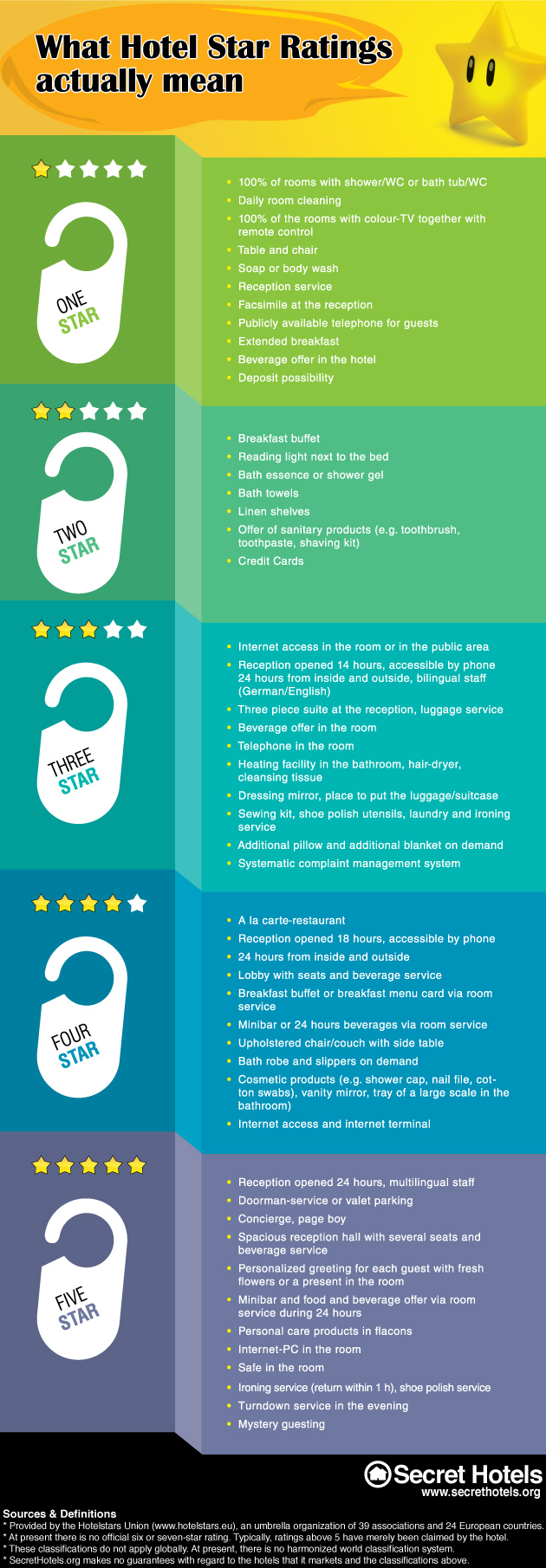

Understanding hotel star ratings is essential for travelers seeking the perfect accommodation. These seemingly simple numerical designations—one to five stars—represent a complex evaluation of facilities, amenities, and overall quality. But what do those stars truly mean? Many travelers find themselves confused by inconsistent standards and varying interpretations across different regions. This article aims to demystify the hotel star rating system, offering clear insights and criteria for evaluating hotels and making informed travel choices.
Deciphering the Hotel Star Rating System
Unveiling the Meaning Behind the Stars
Hotel star ratings are a universally recognized system for classifying hotels based on their quality and services. However, the precise criteria and interpretations can vary significantly, leading to potential discrepancies. These ratings often influence traveler expectations and, consequently, their booking decisions. The rating itself impacts consumer perception and, subsequently, direct booking rates.
Exploring the Criteria and Standards
Key Factors Influencing Star Ratings
Many factors contribute to the final star rating given by agencies. Location, amenities, staff service, food quality, room size, and comfort are some key factors. The exact weight given to each criterion can differ significantly between rating agencies. For example, a hotel in a bustling city centre might receive a higher rating for its central location but lower ratings for its room size as compared to a hotel in a secluded or more relaxed location. The rating agencies are responsible for interpreting the data in order to arrive at a consensus, and the final ratings are influenced by the specific requirements they use to define the criteria.
Related Post : Best Hotel In The World Adare Manor
Understanding Regional Variations
The Global Picture
It’s important to remember that the interpretation of star ratings can vary from one country or region to another. Cultural differences and varying consumer preferences contribute to these discrepancies. Factors like the local market and the availability of similar accommodations in a given area are essential to understand the differences in hotel standards. Also, differences in local standards will impact the rating the hotel receives, for example, hotels in a country where there are many affordable hotels will be compared to those hotels and rated based on a different scale than hotels in countries with few affordable hotels. For example, a four-star hotel in Europe might offer services comparable to a five-star hotel in a developing country.
Assessing Quality and Amenities
Evaluating Hotel Features
Beyond the core criteria, there are countless other features that contribute to the overall quality and experience of the hotel stay. These can include things like spa facilities, fitness centres, pools, and dining options. These extra amenities can significantly elevate the overall guest experience and play a part in influencing the final star rating. For instance, a hotel with excellent dining options and a fully equipped fitness centre is likely to receive a higher rating than one without such facilities. This illustrates the crucial role of amenities in determining a hotel’s appeal and star rating, and how it ultimately affects a guest’s overall satisfaction.
Considering Budget and Expectations
Tailoring Your Choice
Ultimately, selecting a hotel involves balancing your budget, personal expectations, and the star rating. Different people have different needs and expectations regarding their stay. For some, budget-friendliness is paramount, while others prioritize luxury and extravagance. A traveler who cares more about budget may focus on 3-star hotel options while those who want more extravagance may opt for 5-star hotels.
Additional Considerations
Importance of Reviews
Guest reviews provide additional insights and context into the overall experience beyond star ratings. While a specific rating may be a decent starting point, reading guest experiences from varied sources can offer a more comprehensive understanding of what to expect.
The Importance of Research
Considering Multiple Sources
When choosing a hotel, don’t solely rely on star ratings. Combine these ratings with online reviews, independent articles, and personal recommendations.
The Impact on Travel Planning
Making Informed Decisions
By understanding the criteria used and how ratings might vary, travelers can make more informed choices that align with their needs and preferences.
Frequently Asked Questions
Q1: How reliable are hotel star ratings?
Hotel star ratings offer a general indication of the quality of a hotel. However, it’s important to approach them with a critical eye. They can’t fully capture the nuances of the guest experience. The subjective nature of guest experiences means that even with the same rating, experiences can differ significantly. So, while star ratings provide a useful starting point, complementary research and reviews should be considered to gather a more comprehensive understanding.
Q2: Can I trust websites offering hotel star ratings?
Several online travel agencies and review platforms provide hotel star ratings. However, it is essential to ensure the site is reliable and has a reputable method for assigning these ratings. Look for sites with transparent standards and reviews from diverse sources to gauge the accuracy of the ratings provided. Also, look for websites that offer specific information about each hotel in order to determine if it is accurate.
In conclusion, understanding hotel star ratings is crucial for travelers seeking the perfect accommodation. By considering the criteria outlined in this article, you can make informed decisions and select a hotel that aligns with your expectations and budget. Book your next trip with confidence, knowing you’ve chosen wisely! Ready to explore the world? Check out our recommended hotel booking sites for deals.


![Featured image for The Best Hotels in [City/Country Name] for a Romantic Getaway](https://fundanexus5.com/wp-content/uploads/2025/03/67dee06b6ee44-60x42.jpg)