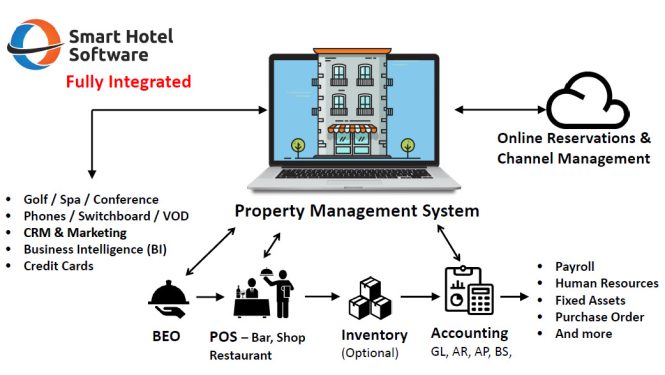
Hotel technology is rapidly changing the landscape of the travel industry, offering innovative ways to enhance the guest experience. Imagine checking into a hotel, unlocking your room with your smartphone, and receiving personalized recommendations for local restaurants and activities—all thanks to smart technology embedded throughout the hotel. This transformative technology is impacting every aspect of the guest journey, from pre-booking to post-stay interaction. Hotels are facing challenges in staying competitive, improving guest satisfaction, and managing operational costs. This article explores how smart hotel technology can help in overcoming these challenges, by streamlining operations, enhancing personalization, and ultimately improving the guest experience. We’ll delve into specific examples and discuss the key strategies for hotels looking to implement these solutions. We will explore the role of technology in hotel operations, from streamlining check-in/check-out procedures to providing personalized services, illustrating its benefits and potential drawbacks.
Streamlining Operations with Automation
Enhancing Efficiency
Modern hotel technology is automating many aspects of hotel operations. Automated check-in and check-out systems, for example, reduce wait times and free up staff for more important tasks. Imagine a world where guests can use self-service kiosks for everything from room requests to ordering room service. This not only speeds up processes but also significantly reduces labor costs for hotels. Many hotels have found success using robotic systems for tasks like baggage handling, which further improves efficiency and optimizes staff assignments. This level of automation can dramatically affect operational costs, freeing up resources that can be invested in other areas of the business.
Personalizing the Guest Experience
Tailored Hospitality
Today’s travelers value personalized experiences. Hotel technology enables hotels to collect data about guest preferences and tailor services to individual needs. From sending personalized welcome messages based on prior bookings to creating curated recommendations for local attractions, hotels can use data to enhance their guest interaction. Many hotels use in-room entertainment systems with interactive screens to suggest personalized entertainment options based on guest preferences. The use of AI-powered systems can personalize recommendations for restaurants, tours, and activities, contributing to an enhanced overall experience. Hotel technologies can lead to happier guests, leading to increased return visits and positive reviews.
Enhancing Guest Engagement
Digital Interaction
The use of mobile apps and in-room technology empowers guests to interact with their hotel in new and convenient ways. These apps can provide access to amenities, room controls, and concierge services, all from the comfort of their mobile devices. Many hotels are integrating virtual assistants that can manage requests, provide information, and answer questions. The convenience and personalized services offered through digital interaction improve guest satisfaction levels. Implementing these interactive solutions can significantly enhance the guest experience while freeing up staff resources for more complex tasks.
Data-Driven Decision Making
Analytics and Insights
Hotel technology generates vast amounts of data about guest behavior and preferences. This data can be analyzed to gain valuable insights, enabling hotels to make informed decisions about operations, pricing, and marketing strategies. For instance, by analyzing guest feedback data, hotels can identify areas for improvement in their services and amenities. Analyzing booking trends, length of stay, and guest preferences can help refine pricing strategies for maximizing profitability. Hotels can use advanced analytics to discover opportunities to personalize their marketing efforts and enhance revenue streams.
Related Post : Best Hotel In The World Adare Manor
The Future of Hospitality
Innovative Solutions
The integration of emerging technologies like AI, machine learning, and IoT (Internet of Things) into the hotel industry is set to redefine the guest experience. Imagine a hotel where sensors monitor guest comfort and automatically adjust room temperature and lighting settings based on their preferences, or a hotel where AI-powered chatbots handle guest inquiries promptly. Such sophisticated innovations not only enhance efficiency and personalize experiences but can also contribute to greater sustainability efforts.
Implementing Hotel Technology Successfully
Strategies for Success
Successful implementation of hotel technology requires a strategic approach, involving careful planning, adequate budgeting, and dedicated staff training. A thorough cost-benefit analysis should precede any investment, ensuring that the chosen technology aligns with the hotel’s operational goals and budget constraints. Providing comprehensive training to hotel staff on new technologies is essential for ensuring smooth implementation and maximizing the benefits.
Balancing Technology and Human Touch
Maintaining Hospitality
While technology offers numerous advantages, it is crucial for hotels to maintain the human element of hospitality. A balance between advanced technology and personal interaction is key for customer satisfaction. Hotels can ensure that the application of technology complements, not replaces, traditional hospitality services. Training hotel staff on interacting with guests and integrating technology into daily tasks is vital in ensuring a seamless and positive customer experience.
Security and Data Privacy
Protecting Guest Information
Protecting guest information is paramount in the hotel industry. Implementing robust security measures and adhering to data privacy regulations is essential. Hotels should prioritize systems with strong security protocols and ensure compliance with relevant regulations, such as GDPR, to maintain guest trust. Transparency in data collection and use practices is equally important for building trust and confidence with guests.
Integrating Technology into Existing Processes
Seamless Transition
Hotels should carefully integrate new technology into their existing workflows and processes to minimize disruption. A phased approach to implementation, combined with clear communication and training, helps employees adapt to new systems and procedures smoothly. This approach ensures a seamless and less stressful transition for both staff and guests.
Frequently Asked Questions
How can hotel technology help reduce costs?
Hotel technology automates tasks like check-in/check-out and room service, reducing labor costs and improving efficiency. This automation leads to optimized staff assignments and streamlined processes, reducing operational overhead. Furthermore, data-driven insights help hotels refine pricing strategies and optimize resource allocation, all contributing to cost reduction and increased profitability.
What are some benefits of personalized guest experiences using technology?
Personalization of the guest experience is a key benefit of smart hotel technology. Hotels can use data to tailor recommendations, offers, and services to each guest’s preferences, creating a more memorable and satisfying stay. The collection and analysis of data allow hotels to anticipate guest needs, providing them with personalized services that contribute to greater guest satisfaction, positive reviews, and ultimately, increased repeat business.
In conclusion, hotel technology is revolutionizing the travel experience, offering enhanced convenience, personalization, and efficiency for both guests and hotel staff. By embracing smart technologies, hotels can create a more memorable and profitable future, while addressing challenges surrounding cost and guest satisfaction. The next steps for hotels are to invest in robust technology infrastructure, implement staff training programs, and continually adapt to emerging trends to fully leverage the transformative potential of hotel tech. Embracing innovation in this sector is key to success.


![Featured image for The Best Hotels in [City/Country Name] for a Romantic Getaway](https://fundanexus5.com/wp-content/uploads/2025/03/67dee06b6ee44-60x42.jpg)