The Art of Relaxation is a key to unlocking a more peaceful and fulfilling life. In today’s fast-paced world, finding moments of tranquility can often feel like a distant dream. We’re constantly bombarded with demands, deadlines, and distractions. This leaves many feeling overwhelmed, stressed, and disconnected from their inner selves. This guide will delve into the art of relaxation, exploring practical and accessible techniques to help you manage stress, find moments of peace, and cultivate a deeper connection with yourself. We’ll cover mindfulness, breathing exercises, and simple self-care strategies, all designed to help you integrate relaxation into your everyday life and experience a greater sense of serenity and well-being. We will also explore the reasons why stress happens, which techniques are the most suitable, and how to incorporate them seamlessly into daily life. This guide will provide a roadmap to help you navigate the often-overlooked art of relaxation.
Understanding the Importance of Relaxation
The Impact of Stress on Everyday Life
Stress, a ubiquitous part of modern life, often manifests as a feeling of overwhelm, anxiety, and an inability to cope. Prolonged periods of stress take a toll on our physical and mental health. Chronic stress can lead to various health issues, such as heart disease, weakened immunity, and mental health challenges. Chronic stress also impairs our ability to think clearly and make sound decisions. It’s crucial to understand that relaxation isn’t simply a luxury; it’s a necessity for maintaining a healthy and balanced life. By incorporating relaxation into our routine, we’re equipping ourselves to navigate the challenges of everyday life with greater resilience and clarity.
Why Relaxation is Vital
Relaxation techniques offer a powerful antidote to the negative effects of stress. They provide a pathway to emotional regulation and mental restoration. By actively engaging in relaxation exercises, we can decrease the physiological responses associated with stress, including elevated heart rate and blood pressure. Studies have shown that relaxation techniques can also improve sleep quality, boost mood, and foster a sense of calm and well-being. This has a profound positive impact on our daily lives and contributes to a more fulfilling experience.
Mindfulness Techniques for Relaxation
Related Post : Best Indoor Recreational Activities
Cultivating Present Moment Awareness
Mindfulness practices are central to the art of relaxation. Mindfulness involves paying attention to the present moment without judgment. This can be achieved through various methods, such as mindful breathing and body scans. When practiced regularly, mindfulness helps quiet the mental chatter, reducing stress and promoting a sense of calm. Mindfulness is about being present with what is happening in the here and now, without getting caught up in thoughts about the past or worries about the future. It’s a skill that takes practice, but the benefits are significant.
Guided Meditation and Body Scan
Guided meditations and body scans are powerful tools for fostering mindfulness. Guided meditations provide structured instructions to guide the practitioner’s focus, often focusing on breathing or specific sensations in the body. Body scans involve systematically attending to different parts of the body, noticing any sensations without judgment. Through these practices, one develops a greater awareness of the body’s physical responses to stress and cultivates the ability to observe these responses without getting carried away.
Breathing Exercises for Stress Relief
The Power of Controlled Breathing
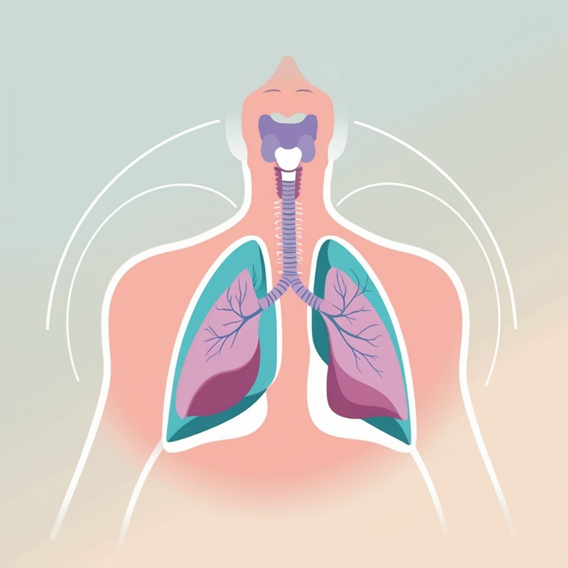
Deep, controlled breathing exercises can significantly impact stress levels. By consciously regulating our breath, we can calm the nervous system and reduce feelings of anxiety and overwhelm. Techniques like diaphragmatic breathing, box breathing, and alternate nostril breathing can effectively lower heart rate and blood pressure. These exercises provide tangible benefits and promote relaxation, making them essential tools in the art of relaxation.
Incorporating Breathing into Daily Life
Regular practice of these techniques is crucial for stress reduction. Incorporate these breathing exercises into your daily routine; set aside a few minutes each day for dedicated practice. It’s recommended to find a quiet space where you’re free from distractions. With consistent effort, you’ll discover how profound an impact these techniques can have on your overall well-being.
Self-Care Practices for Enhanced Relaxation
Prioritizing Physical Well-being
Prioritizing your physical well-being is essential for achieving a sense of relaxation. This encompasses maintaining a balanced diet, regular exercise, adequate sleep, and staying hydrated. A healthy body is a foundation for a relaxed mind. Nourishing your body with healthy foods, engaging in regular physical activity, ensuring you get sufficient sleep, and staying hydrated are all critical for optimizing your relaxation experience.
Creating a Relaxing Environment
Creating a relaxing environment at home or in your workplace is critical. This includes creating a space free of distractions, where you can unwind and disconnect. Soft lighting, calming music, and comfortable seating can significantly enhance your ability to relax. These seemingly small elements can make a big difference in your ability to achieve a calm and peaceful state.
Exploring Alternative Relaxation Techniques
The Benefits of Nature
Spending time in nature is a powerful way to promote relaxation. The calming presence of natural elements—like trees, water, and open spaces—can have a significant impact on reducing stress and anxiety. Studies have shown that simply being outdoors can lower cortisol levels. Nature provides a welcome escape from the pressures of daily life, offering opportunities to reconnect with yourself and your surroundings. Consider incorporating nature walks, gardening, or simply sitting in a park into your schedule for stress reduction.
Mindful Movement
Mindful movement, such as yoga, tai chi, or gentle stretching, can be powerful tools for relaxation. Yoga combines physical postures with breathing techniques to create a holistic approach to well-being. Tai chi and other mindful movement practices create a meditative state, fostering deep relaxation and stress reduction. The mindful movement approach encourages self-awareness through the physical exercise, which in turn can lead to a greater sense of calm.
Frequently Asked Questions
How often should I practice relaxation techniques?
Practicing relaxation techniques regularly, even for just a few minutes each day, can make a significant difference. Consistency is key. Aim to integrate relaxation into your daily routine, whether that’s through a dedicated meditation session, a mindful walk, or simply taking a few moments to breathe deeply. By making these practices a habit, you’ll cultivate a greater sense of calm and well-being over time.
Can relaxation techniques help with specific mental health conditions?
While relaxation techniques aren’t a cure-all for mental health conditions, they can play a significant supportive role. For individuals experiencing anxiety, stress, or other mental health concerns, incorporating relaxation methods into their routine can serve as a valuable complement to other therapeutic approaches. It can be very helpful in managing symptoms and promoting overall emotional well-being. Consulting a mental health professional for diagnosis and treatment is highly encouraged.
In conclusion, finding peace in everyday life through the art of relaxation is a journey, not a destination. It’s about cultivating practices that nurture your well-being and embracing the moments of tranquility that arise. Regular meditation, mindfulness, and mindful movement can help you integrate this practice into your daily routine. Start small, be patient with yourself, and remember that relaxation isn’t selfish; it’s essential for leading a fulfilling and balanced life. Continue exploring techniques that resonate with you, and find a relaxation practice that you can sustain. By making relaxation a priority, you’ll discover a pathway to enhanced mental clarity, emotional resilience, and overall well-being. Take the first step today, and unlock the transformative power of relaxation in your life.


