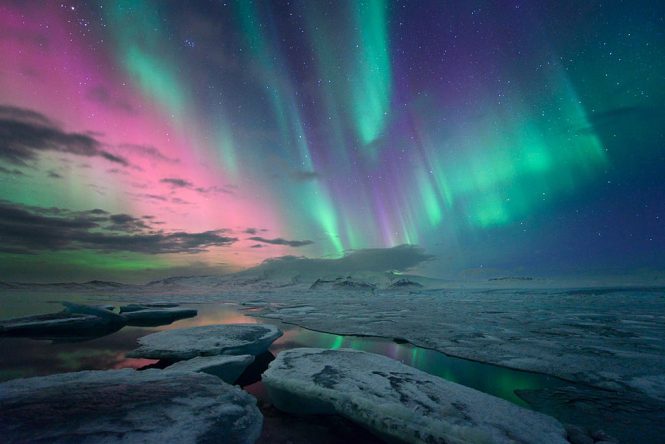
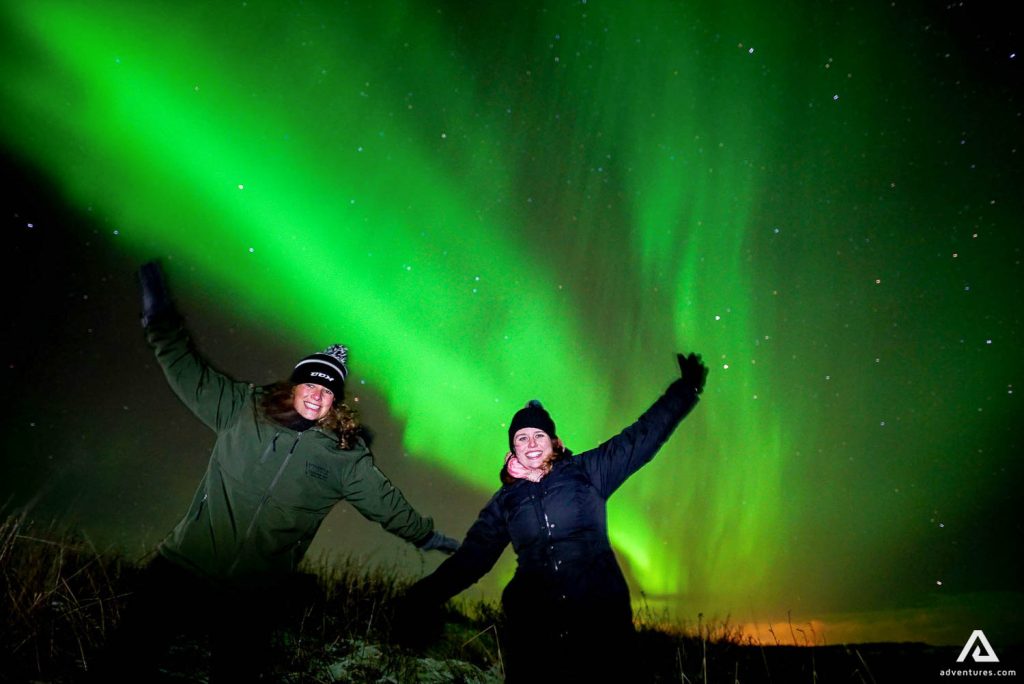
The Northern Lights in Iceland: a breathtaking celestial spectacle that ignites the night sky with vibrant colors. This ethereal dance of light has captivated stargazers and nature enthusiasts for centuries, offering a unique opportunity to connect with the beauty of the natural world. Experiencing the Northern Lights in Iceland is a truly remarkable journey, promising an unforgettable and magical encounter with nature’s most spectacular display. But with the vastness of Iceland’s landscapes and the unpredictable nature of the aurora borealis, how can you ensure a satisfying experience? This guide will explore the best places to witness the lights, essential tips for maximizing your viewing opportunities, and the overall enchantment of this spectacular natural phenomenon. We will also discuss important considerations like the best time to visit, preparation for the journey, and potential challenges.
Unveiling the Allure of the Northern Lights
Understanding the Phenomenon
The aurora borealis, more commonly known as the Northern Lights, is a mesmerizing natural light display that paints the night sky with vibrant hues of green, purple, blue, and red. These colorful ribbons of light are created by collisions between solar wind particles and atoms in the Earth’s upper atmosphere. Iceland, with its high latitude and minimal light pollution, offers some of the world’s most spectacular views of the aurora borealis, making it a popular destination for aurora hunters. Several factors influence the visibility of the aurora, including solar activity, atmospheric conditions, and the location within Iceland. A clear sky is paramount to observing the Northern Lights. The less light pollution, the clearer the view.
Optimizing Your Northern Lights Viewing Experience
Planning Your Trip
To enhance your chances of seeing the aurora borealis in Iceland, meticulous planning is key. Consider the best time to visit. Generally, the winter months, from September to April, offer the most favorable conditions for aurora viewing. During these months, the nights are long and dark, providing optimal viewing hours. Choose accommodations strategically; locations with minimal light pollution are essential for maximizing visibility. Research potential viewing spots. High-altitude locations, such as mountainsides or elevated areas, often provide an unobstructed view of the sky. Do your research and choose a location with optimal conditions. Pack warm clothes and layers. The Icelandic winter can be harsh, so layering up with warm clothing is important, even with extra insulation in your layers. A good quality sleeping bag and warm boots are key, as well as good quality winter gloves and socks.
Iceland’s Enchanting Landscapes
Finding the Perfect Spot
Iceland’s diverse landscapes offer unique opportunities to witness the Northern Lights. From the rugged volcanic terrains of the highlands to the serene beauty of the coastal areas, there are numerous spots promising breathtaking views. The South Coast of Iceland is often favoured for its ease of access, visibility, and stunning scenery. The Myvatn area also boasts minimal light pollution, providing prime viewing conditions. Consider the accessibility of locations, their visibility, and overall experience.
Capturing the Magic
Photography Tips and Tricks
The ethereal beauty of the Northern Lights inspires many to capture the spectacle with a camera. Long exposures are essential to capture the vibrant colors and details of the aurora. A wide-angle lens is recommended to capture the vastness of the sky and the expanse of the aurora. The ideal settings usually include ISO, aperture, and shutter speed. Experiment to see how these adjustments affect your pictures. Ensure you have a sturdy tripod to prevent camera shake during long exposures. Using a remote shutter release or timer is also helpful.
Related Post : Big Transport In The World
Beyond the Lights: Cultural Immersion
Exploring Iceland’s Rich Culture
Iceland is more than just a place to see the Northern Lights. The culture is vibrant and rich, with an abundance of experiences beyond the aurora borealis. From exploring historical sites, trying authentic Icelandic cuisine, to enjoying a warm drink in a cosy cafe, these cultural excursions enhance your experience. You can also indulge in activities like hiking through glaciers or kayaking on serene fjords. These activities offer stunning scenery and unforgettable opportunities to immerse yourself in the local culture.
Unpredictable Nature
Important Considerations
The Northern Lights are an unpredictable natural phenomenon. There is no guarantee of seeing them, no matter how well-prepared you are. Flexibility and a willingness to adjust your plans are essential for ensuring a good experience. Patience is key when waiting for the perfect moment.
Importance of Planning
Important Notes
Proper preparation is important to have an enjoyable experience. It is important to research the best viewing locations and times, as well as appropriate accommodations for your trip. Ensure you have warm clothing, comfortable footwear, and any other necessary gear for your winter trip in Iceland.
Frequently Asked Questions
How can I predict when the Northern Lights will be visible?
Various websites and apps provide real-time predictions of solar activity. These tools are useful for determining the chances of seeing the Northern Lights in a specific location. Additionally, tracking forecasts of clear skies in your destination is necessary. Keep an eye on these forecasts and check the sky for conditions in the hours before or during your viewing time.
What is the best time of year to see the Northern Lights in Iceland?
The best time to experience the aurora borealis in Iceland is during the winter months, typically from September to April. During this period, the nights are longer, providing more hours of darkness, which leads to a higher probability of viewing the aurora. A trip is well-timed if you plan ahead and account for these seasonal changes in the weather patterns and visibility.
In conclusion, witnessing the Northern Lights in Iceland is an unforgettable experience that blends breathtaking natural beauty with a sense of wonder. From Iceland’s stunning landscapes to its rich history and vibrant culture, the entire experience enhances the magic of this celestial spectacle. To ensure you have an incredible experience, be sure to research and plan in advance to optimize your trip. Consider booking tours or hiring local guides to maximize your chances of seeing the aurora borealis, and remember that preparation and patience are key for capturing memorable moments. Plan your next adventure to Iceland today!


