
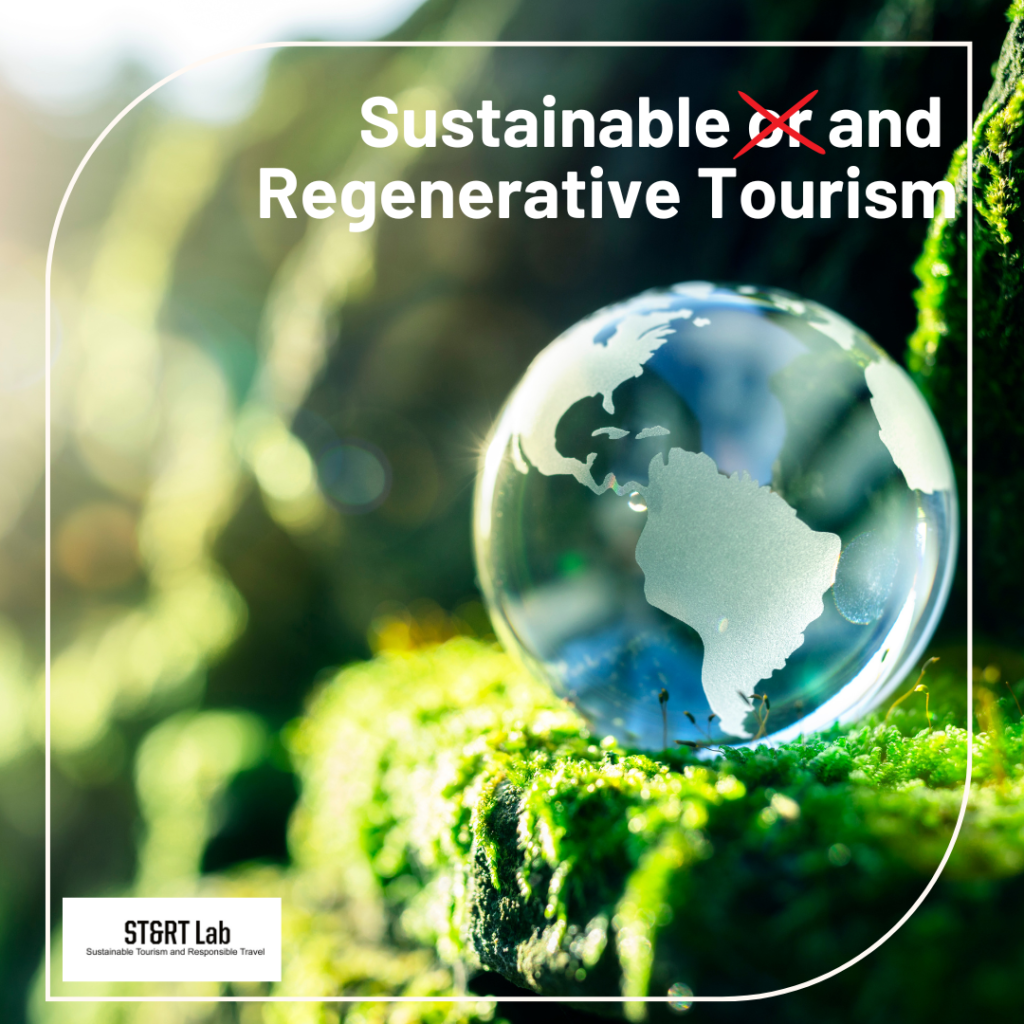
Sustainable travel, a journey that respects the planet and its people, is more than just a trend; it’s a necessity. With increasing concerns about environmental degradation and cultural exploitation, the need for responsible tourism practices has become paramount. This article delves into the core principles of sustainable travel, exploring the critical role it plays in shaping a brighter future for our planet and its inhabitants. We’ll identify common challenges related to conventional travel, and offer practical solutions that can be adopted by individuals and businesses. We will discuss responsible accommodations, community engagement, and minimizing environmental impact, while touching on the fascinating global perspectives of sustainable travel practices. This guide provides practical advice and inspires a paradigm shift towards a more mindful approach to tourism.
Understanding Sustainable Travel: A Holistic Approach
Defining Sustainable Travel
Sustainable travel, often referred to as responsible tourism, goes beyond simply enjoying a vacation. It encompasses a commitment to minimizing environmental damage, respecting local cultures, and supporting the well-being of communities. It’s about interacting with destinations in a way that benefits the environment, local economies, and cultural heritage, ensuring that future generations can also enjoy these destinations. This thoughtful approach recognizes the interconnectedness of people, places, and the planet.
Responsible Accommodations: Supporting Local Economies
Choosing Eco-Friendly Hotels
Choosing eco-friendly accommodations is a cornerstone of sustainable travel. Look for hotels that prioritize sustainability through initiatives like energy efficiency, water conservation, waste reduction, and the use of locally sourced materials. Many eco-lodges and resorts actively participate in environmental conservation programs, fostering a deeper connection with the destination’s natural beauty. Supporting locally owned and operated businesses directly benefits the local economy, preserving cultural heritage, and promoting job creation within the community. By choosing accommodations committed to sustainability, travelers contribute to a more resilient and equitable tourism industry. Many hotels are now offering sustainable amenities like reusable water bottles, eco-friendly toiletries, and locally sourced food and drinks. These choices demonstrate a commitment to the long-term health of the destination and its inhabitants.
Minimizing Environmental Impact: Embracing Eco-Conscious Practices
Reducing Your Carbon Footprint
Sustainable travel prioritizes minimizing our environmental footprint. Travelers can significantly reduce their carbon emissions by opting for eco-friendly transportation options. This includes utilizing public transport, cycling, or walking whenever possible. Choosing direct flights or utilizing train travel, where available, will also make a meaningful difference. Reducing single-use plastic consumption, conserving water, and minimizing waste are essential aspects of eco-conscious travel.
Community Engagement: Respecting Local Cultures
Supporting Local Businesses
Engaging with local communities is an integral part of sustainable travel. By actively supporting local businesses, travelers directly contribute to the local economy and help preserve cultural heritage. This can involve purchasing souvenirs from local artisans, dining at locally owned restaurants, and participating in tours led by local guides. Furthermore, learning basic phrases in the local language demonstrates respect and fosters a deeper understanding of the culture. For example, understanding local customs and respecting traditions is an important aspect of community engagement. Avoiding tourist traps and seeking out authentic experiences allows travelers to connect with the heart of the destination.
Related Post : Big Transport In The World
Building a Sustainable Future: The Importance of Education
Encouraging Responsible Travel Habits
Education plays a vital role in promoting sustainable travel. Raising awareness about the environmental impact of tourism is crucial to fostering a sense of responsibility among travelers. Educating yourself about a destination’s unique challenges and the positive impacts of sustainable choices empowers you to make informed decisions. For example, initiatives encouraging responsible travel can be integrated into educational programs to create future travelers who prioritize environmental and social sustainability. Travel agencies and tour operators can play a key role in this effort. Sharing information through travel blogs, social media, and educational workshops can empower individuals to make responsible choices. Sustainable travel practices promote a shift in mindset, moving away from a ‘take’ approach to tourism and toward a ‘give back’ perspective.
Frequently Asked Questions
What are some practical tips for sustainable travel?
Adopting sustainable travel practices includes minimizing your environmental footprint, respecting local customs, supporting local economies, and choosing eco-friendly accommodations. This can involve utilizing public transportation, carrying a reusable water bottle, supporting locally owned businesses, and opting for eco-friendly hotels. These simple changes make a huge difference when multiplied by the countless travelers choosing to incorporate these principles.
How can travelers help support local communities through sustainable travel?
Travelers can support local communities by choosing accommodations owned by locals, purchasing souvenirs from local artisans, dining at locally owned restaurants, and participating in tours led by local guides. These choices directly support local economies, fostering job creation and preserving cultural heritage. Learning basic phrases in the local language and respecting local customs also demonstrates respect and fosters deeper connections.
In conclusion, sustainable travel, or responsible tourism, is crucial for preserving our planet and promoting cultural exchange. By embracing ethical and environmentally conscious practices, travelers can contribute to a better future for all. Choose responsible accommodations, support local communities, and minimize your environmental footprint. By taking these actions, you can make a difference and foster a more sustainable future. Learn more about sustainable travel options today and embark on a journey that respects both the planet and the people you meet!


