Staying healthy while traveling is crucial for maximizing your enjoyment and minimizing health risks. Whether you’re embarking on a weekend getaway or a month-long backpacking adventure, taking proactive steps to maintain your well-being is essential. Travel can expose you to new foods, unfamiliar environments, and stressful situations—all of which can impact your health. This article provides practical advice and actionable strategies for staying healthy while traveling, focusing on preventative measures and adjustments for maintaining well-being on the go. We will delve into 10 actionable tips covering nutrition, hydration, exercise, hygiene, and stress management. Each section provides clear guidelines and examples for successful implementation. Let’s get started!
Prioritize Proper Nutrition on the Road
Fueling Your Body for Optimal Health
Maintaining a balanced diet while traveling can be challenging. Unexpected food choices and limited access to familiar ingredients can disrupt your usual eating habits. However, it’s vital to fuel your body with nutritious foods, especially when navigating unfamiliar terrain. A well-nourished body is better equipped to resist illness and maintain energy levels, essential for enjoyable travel experiences. This is especially crucial if your trip involves physical activities or exploring new environments.
Meal Planning and Food Choices
Planning your meals in advance can ensure you have healthy options at your disposal. Pack snacks and meals with foods that provide sustained energy and essential nutrients. Opt for fruits, vegetables, lean proteins, and whole grains. Avoid processed foods, sugary drinks, and excessive fast food, as they often lack essential nutrients and can lead to digestive issues. Look for restaurants or cafes that offer healthy options. Choose dishes with fresh ingredients and limit saturated fats and unhealthy sugars. If you’re unsure of food safety in your destination, opt for well-reviewed and established restaurants that offer a more regulated food preparation environment.
Stay Hydrated with Strategic Water Intake
Dehydration and its Impacts on Travel
Dehydration can negatively affect your energy levels, focus, and overall well-being, especially when you are traveling. Staying hydrated is essential for preventing illness and ensuring optimal cognitive function while on the move. Dehydration, a common issue for travelers, can impair your physical performance. When your body lacks adequate water, it can struggle to regulate its temperature, leading to increased fatigue and discomfort. Also, proper hydration supports digestive function and can improve your body’s ability to fight off illness, especially during travels where you may be exposed to new bacteria or viruses.
Carry a Reusable Water Bottle
Carrying a reusable water bottle allows you to stay hydrated effortlessly. Fill it up whenever you have access to clean water sources, like hotels, hostels, or fountains. Consider purchasing bottled water from reputable suppliers if tap water is not safe to drink. If your journey involves significant physical activity, increase your water intake even more. Drinking sufficient water throughout your travels is a proactive way to stay energized and prevent dehydration.
Related Post : Travel Guide to Europe: Exploring the Old Continent
Maintain a Consistent Sleep Schedule
The Importance of Rest for Travelers
Maintaining a consistent sleep schedule is crucial for optimal health and well-being, especially when traveling. Your body’s natural sleep-wake cycle, or circadian rhythm, can be disrupted by time zone changes, jet lag, and busy travel schedules. Disrupted sleep patterns can lead to fatigue, reduced alertness, and an increased risk of illness, making maintaining consistent sleep a proactive step toward travel wellness.
Tips for Maintaining Sleep
Regardless of the type of travel, prioritize sleep whenever possible. If time zone changes are significant, try to adjust your sleep schedule in advance of departure. While traveling, try to recreate a comfortable sleep environment. If you’re in an unfamiliar hotel or hostel, make an effort to create a conducive atmosphere for sleep. Use earplugs, a sleep mask, and any other accommodations that aid sleep. Even short periods of sleep can be beneficial. Avoid excessive caffeine or alcohol before bed. Limit screen time in the hours before sleep.
Prioritize a Balanced Exercise Routine
Staying Active in a New Environment
Staying active while traveling doesn’t have to mean hitting the gym every day. Find ways to incorporate movement into your daily activities. A consistent exercise routine helps maintain a healthy weight, improve energy levels, and enhance your overall well-being during travel. Staying active is a vital part of maintaining optimal health and energy levels during travels. Walking, exploring new locations on foot, or climbing stairs are great ways to incorporate physical activity into your travel schedule. This keeps your body moving and energized.
Creative Ways to Stay Fit
Take advantage of your surroundings to stay fit! If you have the chance, sign up for a walking tour or attend a local activity class. Utilize the hotel fitness center if available. Taking the stairs instead of elevators is a small but effective way to add more activity into your day. Even a short walk can greatly help.
Practice Excellent Hygiene Practices
Protecting Yourself from Germs and Illnesses
Maintaining meticulous hygiene is crucial during travel to prevent the spread of germs and illnesses. Exposure to different environments and people can increase the risk of infection. Proper hygiene helps to limit the risk of illnesses from contaminated foods, surfaces, or close contact with people carrying pathogens. By keeping your hands clean and practicing good sanitation, you minimize the risk of contracting infections while on the road.
Strategies for Safe Hygiene
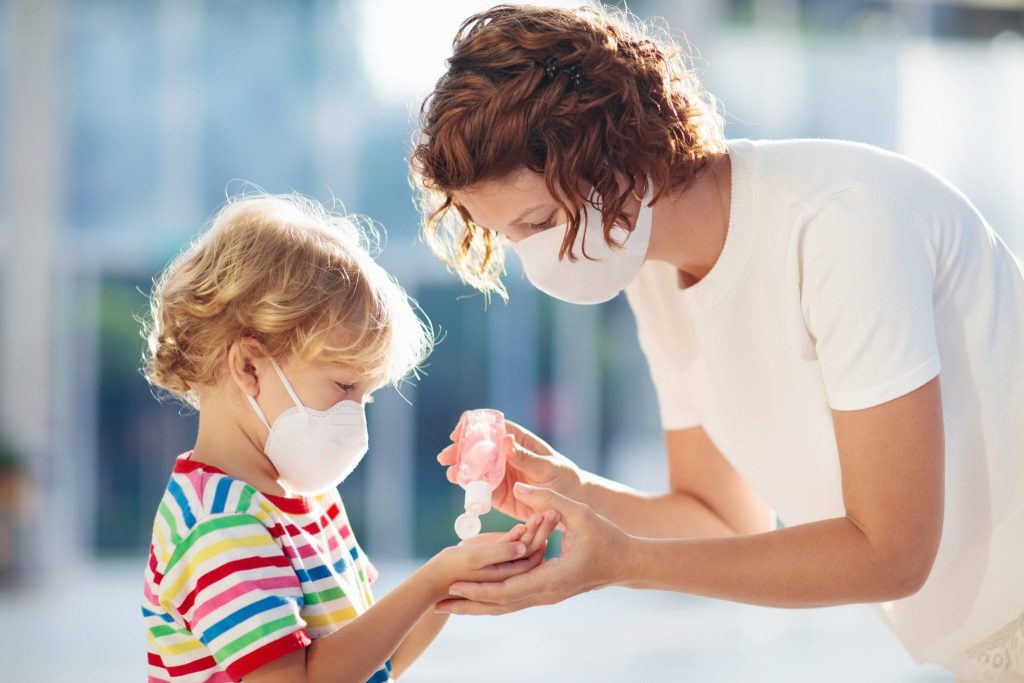
Wash your hands thoroughly and regularly with soap and water. Use hand sanitizer when soap and water are unavailable. Avoid touching your face unnecessarily. If you’re in a hostel or shared accommodation, be mindful of common areas and try to avoid contact with potentially contaminated surfaces. Be cautious with food and water sources. Opt for well-regarded food options and prioritize safe drinking water sources.
Manage Travel Stress for Optimal Well-being
Stress and its Effect on Travelers
Travel can be stressful due to unfamiliar surroundings, travel delays, and logistical challenges. Travel stress can significantly affect your health and mood, impacting your enjoyment of the experience. Stress can lower your immune system, making you more susceptible to illness. By effectively managing stress, you can proactively maintain well-being throughout your travel journey. Recognizing stressors and implementing strategies for effective stress management can help maintain a positive mental state. Managing travel stress also allows for more relaxed and enjoyable travel.
Stress Management Techniques
Practice relaxation techniques such as deep breathing exercises, meditation, or mindfulness. Find time for activities that you enjoy to help manage stress and maintain your composure. Keep a positive outlook on the journey. Consider bringing relaxation items, like scented candles or calming music, on your travels.
Pack Smart for Effortless Travel
Essential Items for a Smooth Trip
Packing light and strategically is a crucial aspect of healthy travel. Excessive luggage can be inconvenient, tiring, and increase your risk of injuries and stress. Consider what you need and what you can realistically carry. A well-packed bag means more freedom to explore. Having a well-packed bag keeps you organized and relaxed, minimizing the need to deal with lost items or extra baggage fees. A well-packed bag also reduces the possibility of accidents. By packing strategically, you can stay focused on the journey and maintain your well-being.
Essential Items
Include medications, toiletries, a first-aid kit, and comfortable clothing. Pack light clothing to be flexible with weather changes. Clothing that you can layer up or down can greatly improve your comfort and well-being while traveling. Pack comfortable shoes, as these make a large difference in both physical comfort and overall mood.
Consult Your Doctor Before Traveling
Health Precautions and Pre-Trip Consultations
It’s wise to consult your doctor before any travel to discuss any specific health concerns or necessary precautions, especially if you have pre-existing conditions. Before embarking on a trip, discuss potential health concerns with your doctor. This proactive step helps ensure your well-being throughout the journey. This is extremely important for travelers with underlying health conditions to ensure that they have appropriate medications and precautions for maintaining good health while traveling.
Potential Issues
Make sure to get any necessary vaccinations or recommendations for health precautions based on your destination and overall health. Discuss any potential health issues, allergies, or concerns before your trip.
Leverage Travel Insurance for Peace of Mind
Protecting Your Investment
Travel insurance can safeguard your financial investment and provide peace of mind during unexpected health situations that arise while traveling. Travel insurance can offer financial coverage for unforeseen medical expenses, lost luggage, or travel disruptions. This proactive step helps ensure that you can continue your travel without worries about unexpected costs related to health or other issues.
Importance of Insurance
When considering travel insurance, assess your personal health needs, the duration of your trip, and the potential risks involved in your destination. In case of any unforeseen medical need, insurance can be an excellent safety net. Carefully review your travel insurance plan to understand the coverage details and limitations for health situations related to your trip.
Staying healthy while traveling is achievable with careful planning and mindful choices. By incorporating these ten tips into your travel routine, you can minimize health risks and maximize your enjoyment. Remember to prioritize your well-being throughout the journey. Don’t hesitate to consult your doctor before and during your trip. Plan ahead for any potential health concerns and be prepared to adjust your travel plans as needed. Your health is paramount; prioritize it! Enjoy your healthy travels!


