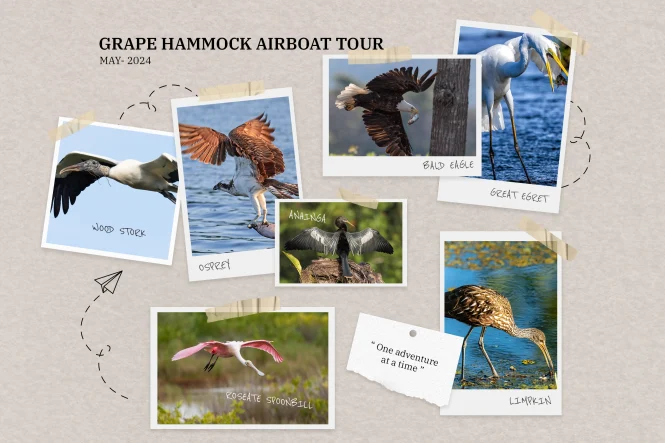
Birdwatching for beginners is a fantastic way to connect with nature and appreciate the beauty of the natural world. Imagine yourself gliding through a lush forest, your eyes scanning the trees and bushes, a sudden flash of color catches your attention—a vibrant blue jay or a striking scarlet tanager. Birdwatching is more than just spotting birds; it’s about understanding their behavior, habitat, and the intricate ecosystem they inhabit. For those new to the hobby, the world of birdwatching can feel daunting, but don’t worry! This beginner’s guide will provide a comprehensive overview of everything you need to know. We’ll cover essential tips for getting started, equip you with the right tools, and introduce you to the world of birding destinations. Ready to begin your birding adventure?
Essential Gear for a Successful Birding Experience
Starting your birdwatching journey requires some essential gear to enhance your experience and improve your chances of spotting different species. Knowing what equipment to use will significantly improve your experience.
Choosing the Right Binoculars
Binoculars are arguably the most crucial piece of equipment. Consider factors like magnification (8×42 is a good starting point), field of view, and the weight of the binoculars. Lightweight, well-balanced binoculars will reduce strain during extended viewing periods. Look for binoculars with a decent amount of clarity and low distortion.
Selecting a Bird Guide
Field guides are your trusty companions for identifying birds. Many excellent birding guides are available, featuring detailed illustrations and descriptions of various bird species.
Understanding the Importance of a Sturdy Bird Identification App
For those with smartphones, a bird identification app can also be a helpful resource. Modern bird identification apps frequently incorporate updated information about bird species.
Considering the Importance of a Reliable Camera
Depending on your interests, a camera can help capture the beauty of the birds you observe.
Understanding Bird Behavior and Habitats
Birds demonstrate fascinating behavior, and understanding this can lead to easier birdwatching. Understanding these behaviors and habitats will make your birdwatching more enriching.
Exploring Different Bird Habitats
Recognizing the types of habitats birds prefer will help you focus your search. Different bird species thrive in various environments—from dense forests to open fields, wetlands, or even urban parks.
Exploring Birdwatching Behaviors
Learning about bird behaviors and habits can assist your birdwatching journey. Birds communicate with songs, calls, and movements, and understanding their communication strategies can reveal valuable insights into their lives.
Importance of Birdwatching Locations
Understanding which locations offer great birdwatching opportunities will greatly impact your experiences. Research beforehand to target areas known for high bird diversity or specific species you are eager to spot.
Researching local bird migration patterns
Migratory patterns can greatly impact the species you can observe. Understanding when and where birds migrate can inform your birding plans.
Related Post : Best Indoor Recreational Activities
Planning Your First Birdwatching Trip
To begin your birdwatching journey effectively, it is essential to plan and prepare in advance. Planning will ensure you have a fulfilling experience.
Finding Ideal Birdwatching Spots
Identify suitable spots with diverse habitats and high bird density. Research local parks, nature reserves, or even your own backyard, checking local resources like websites or birdwatching apps for potential birdwatching hot spots.
Importance of Weather Considerations
Be prepared for any weather condition and dress accordingly. Adjust your plans, especially for trips during the colder months, if needed. Cold weather can reduce bird activity.
Researching Birdwatching Events
Investigate whether any local birdwatching events or workshops are taking place. This could provide invaluable tips and connections from experienced birdwatchers.
Prioritizing Safety
Always prioritize safety when birdwatching. Be mindful of your surroundings and follow any guidelines or regulations set by the location you visit.
Essential Tips for Bird Identification
Developing effective bird identification skills is a rewarding aspect of birdwatching. These tips will improve your chances of successfully identifying birds.
Learning Bird Calls and Songs
Learning common bird songs and calls can greatly enhance your identification skills. Familiarise yourself with audio recordings or bird identification guides.
Pay Attention to Physical Characteristics
Notice characteristics like size, shape, color, and markings. Compare the bird in your observation to your guide or app.
Consider Behavioral Observation
Observe the bird’s behavior, such as its flight patterns, feeding habits, or vocalizations. Consider these in relation to other observations.
The Significance of Using Your Guide and Identifying Similar Birds
Use your guide to identify possible matches based on the characteristics you observed.
Understanding Bird Ecology
Understanding how different birds interact with their environment can also greatly contribute to your identification skills.
Making the Most of Your Birdwatching Experience
Make the most of your birdwatching experience to enhance your joy of observing birds.
Importance of Patience and Persistence
Birdwatching often requires patience. Don’t get discouraged if you don’t spot birds immediately. Be persistent and observant.
Respectful Interactions with Wildlife
Maintain a safe distance and avoid disturbing the birds’ natural behavior. Always be mindful of local regulations.
Recording Your Observations
Consider keeping a birdwatching journal or using a mobile app to document your sightings. This can make it more enjoyable to track sightings over time.
Sharing Your Passion
Share your experiences with others! You can help others learn about birds and their environment.
Consider Taking Photographs or Videos
Capturing images of your birdwatching experience can be a valuable addition to your observations.
Birdwatching Etiquette and Safety
Advanced Birdwatching Techniques
Frequently Asked Questions
What are the best birdwatching locations near me?
Research local parks, nature reserves, and wildlife sanctuaries, especially those with diverse habitats. Check online resources or consult with local birdwatching groups for recommendations. Consider looking for areas with established birdwatching trails or established birdwatching locations.
How do I identify different bird species?
Start by using a field guide or app to familiarize yourself with various bird species. Look at distinctive features like plumage, size, shape, and behavior. Pay close attention to the bird’s calls, songs, and flight patterns. Use multiple identification tools and strategies. Observe the surrounding environment and consider the habitat.
What equipment do I need for birdwatching?
A good pair of binoculars is essential. A bird identification guide or a reliable bird identification app can be very helpful. A camera or smartphone can help you capture images for later identification. Durable field gear can also help protect you from the elements, such as rain and extreme weather conditions.
In conclusion, birdwatching for beginners is a rewarding and accessible hobby. By understanding the basics, developing your skills, and exploring diverse locations, you’ll be well on your way to discovering the fascinating world of feathered friends. Now, go out there and start spotting some birds! Check out local nature centers or birding clubs for opportunities to learn from experienced birdwatchers and connect with a community of fellow enthusiasts.


