
Sustainable hiking is more than just a hobby; it’s a commitment to preserving the natural wonders that draw us to the outdoors. Imagine pristine trails untouched by human impact, teeming with wildlife, inviting hikers to immerse themselves in nature’s splendor, instead of finding littered trails and scarred landscapes. Sustainable hiking embodies respect for nature, minimizing our footprint, and ensuring these natural spaces remain vital for future generations. Many hikers are unaware of the impact their actions can have and fail to practice Leave No Trace principles. This article dives into the importance of sustainable hiking practices and offers actionable steps to help you embrace a more responsible outdoor experience. We’ll cover the fundamental principles of Leave No Trace, the impact of irresponsible hiking, and actionable strategies for minimizing your environmental footprint on trails. Let’s explore how to become mindful hikers and safeguard the beauty of our trails for future generations.
Understanding Sustainable Hiking Practices
The Philosophy Behind Leave No Trace
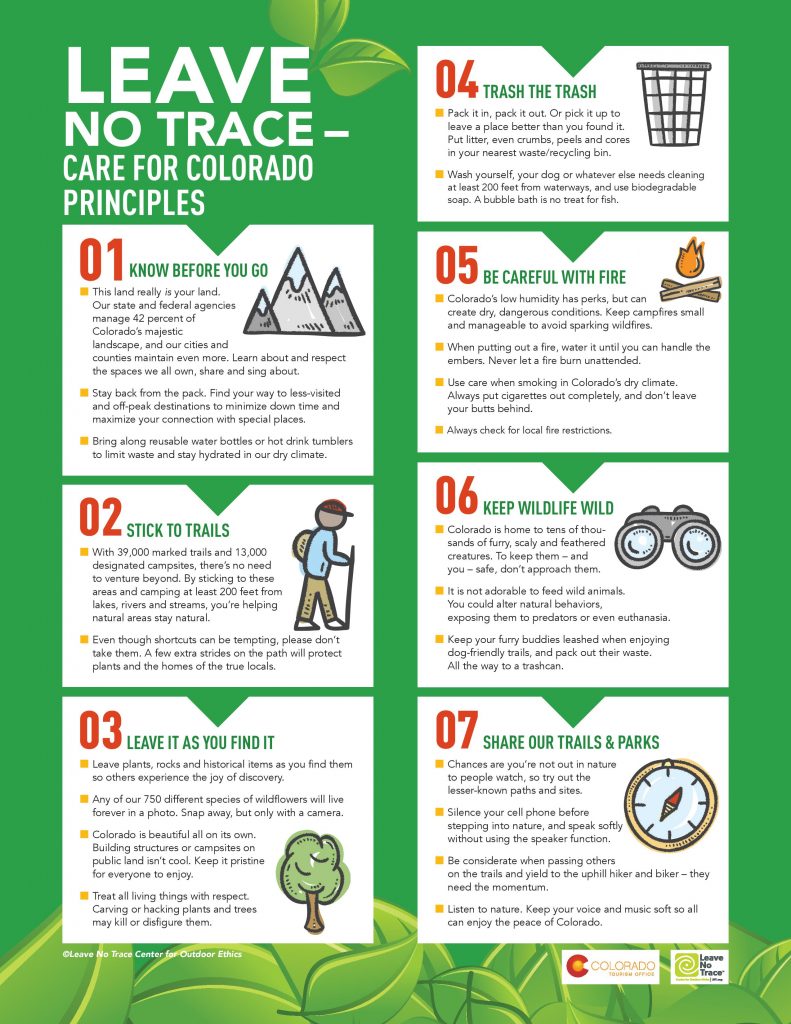
Leave No Trace is a set of seven principles guiding responsible outdoor recreation. These principles are designed to minimize the impact hikers have on the environment. The essence of Leave No Trace lies in understanding that our actions have consequences. We have a responsibility to tread lightly, respecting the delicate balance of nature and avoiding actions that could harm ecosystems, or the trail. This approach ensures the long-term health and beauty of our trails and enhances the overall experience for all users. The core principles of Leave No Trace extend far beyond simply packing out your trash; they encompass a mindset of environmental awareness and respect for the natural world.
The Impact of Irresponsible Hiking
Littering and Trail Degradation
Irresponsible hiking practices can have detrimental effects on the environment. Littering, leaving behind trash, and disturbing natural habitats are significant issues. These acts can disrupt wildlife, pollute water sources, and detract from the scenic beauty of trails. The long-term implications can include significant habitat degradation, diminished wildlife populations, and the spread of invasive species. In addition, trail degradation and erosion, often caused by inappropriate trail use, reduces the resilience of the environment and degrades the quality of trails for future users. Even simple actions like leaving behind food scraps can attract animals, potentially altering their natural behaviors.
Minimizing Your Impact on Trails
Practical Tips for Sustainable Hiking
Minimizing your impact on trails requires a conscious effort and a shift in mindset. By adopting the Leave No Trace principles, you can significantly reduce your environmental footprint. Pack out all your trash; use designated campsites; and avoid disturbing wildlife. Avoid building fires in prohibited areas; respect plant life and animals; and stay on marked trails whenever possible. When hiking, pay attention to any signs or guidelines that might be posted, as these are essential for ensuring that you are using the trail in a manner that is both respectful and sustainable. One key practice is being aware of your surroundings; observe nature, and learn about the local flora and fauna.
Respecting Wildlife and Ecosystems
Wildlife Conservation
Respect for wildlife is an essential component of sustainable hiking. Avoid approaching or feeding wildlife, maintaining a safe distance to preserve their natural behaviors and prevent habitat disruption. This includes avoiding disturbing nests or dens; and respecting their space. Understanding the local wildlife can allow hikers to safely enjoy the trails without impacting the natural world. By staying aware and respectful, you help ensure the long-term health of wildlife populations and the environment as a whole. For instance, many areas have strict guidelines regarding feeding wildlife to protect vulnerable populations.
Related Post : Best Indoor Recreational Activities
Maintaining Trails and Campgrounds
Preserving Natural Beauty
Maintaining trails and campgrounds is essential for preserving their natural beauty. Stick to designated trails, avoid creating new ones, and stay on the designated pathways. Ensure that your campsite is clean and tidy by packing out all waste and avoiding disturbances to the natural terrain. Respect the surroundings by leaving no traces of your presence—the environment and other hikers will thank you for it. By practicing responsible campsite etiquette, you’re helping maintain the integrity of these essential areas. One important note is to ensure that your campfire is completely extinguished before leaving the campsite.
Frequently Asked Questions
What are the core principles of Leave No Trace?
The seven core principles of Leave No Trace include: Planning ahead and preparing, hiking and camping responsibly, disposing of waste properly, leaving what you find, minimizing campfire impact, respecting wildlife, and understanding your impact. By understanding and applying these principles, hikers can contribute to the preservation of natural areas.
How can I make my hiking trips more sustainable?
Implementing sustainable hiking practices starts with planning ahead. This includes researching the area, understanding Leave No Trace principles, and packing appropriate gear. Staying on marked trails, minimizing campfire impacts, and respecting wildlife are key actions. Leaving no trace behind by packing out all trash and leaving the environment undisturbed also supports a sustainable practice. Responsible actions contribute significantly to a healthier environment for everyone to enjoy. Consider taking a Leave No Trace course or guide, and practicing mindful travel. There are also numerous online resources and guides available to further enhance sustainable practices.
In conclusion, sustainable hiking practices like Leave No Trace are crucial for preserving our natural beauty and ensuring future generations can enjoy these incredible trails. By following these simple guidelines, hikers can make a significant positive impact. Embrace mindful travel and prioritize respecting our planet; the rewards are plentiful! Take the challenge to become a responsible outdoor enthusiast and help protect these breathtaking landscapes for everyone to enjoy.


