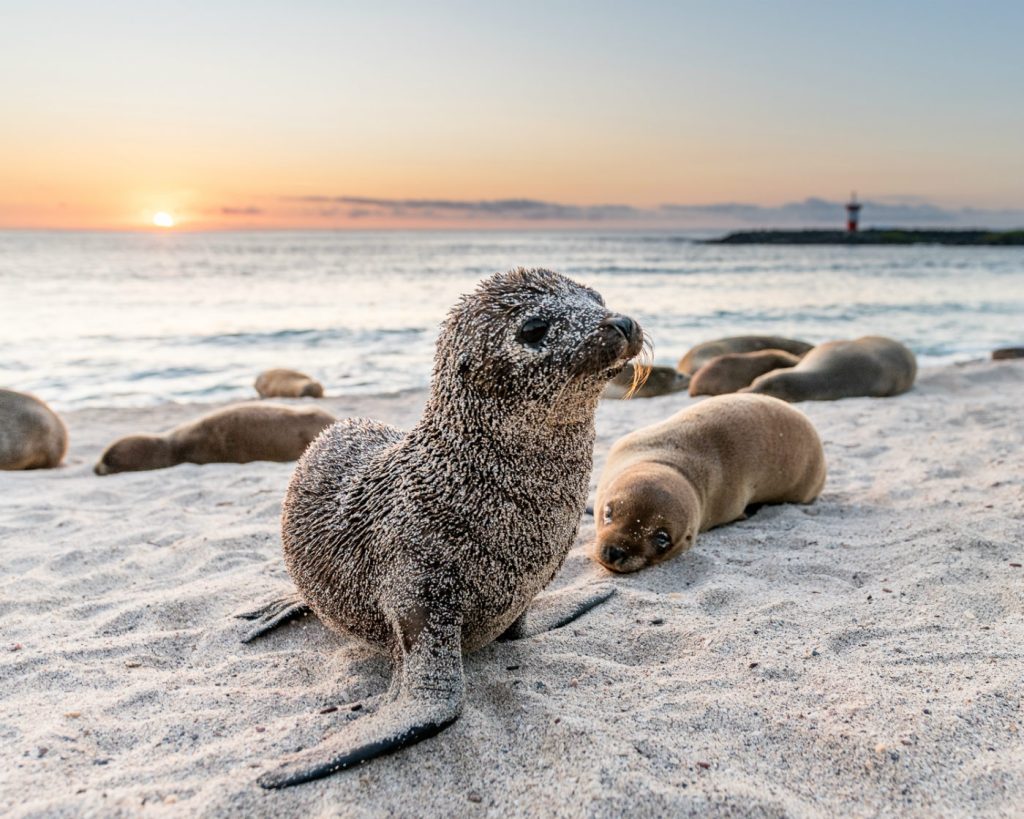
Exploring the Galapagos Islands offers a unique wildlife experience like no other. These volcanic islands, located in the Pacific Ocean, boast a dazzling array of endemic species, showcasing evolution’s wonders in a pristine setting. Imagine encountering giant tortoises lumbering through the arid landscape, playful sea lions frolicking in the surf, or colorful marine iguanas basking on volcanic rocks. This unparalleled experience, however, isn’t without its challenges—choosing the right tour operator, understanding the delicate ecosystem, and planning the logistics can be daunting for first-time visitors. This comprehensive guide delves into the fascinating world of the Galapagos, providing actionable advice on maximizing your wildlife encounter, addressing potential difficulties, and ensuring a memorable and responsible trip. We’ll cover planning, activities, wildlife encounters, and sustainable tourism practices, equipping you with the knowledge to plan the perfect Galapagos adventure.
Planning Your Galapagos Adventure: Key Considerations
Understanding the Galapagos Ecosystem
The Galapagos Islands are renowned for their extraordinary biodiversity, largely due to their unique geographical isolation and volcanic origins. This isolation has led to the evolution of unique species found nowhere else on Earth. From the iconic giant tortoises to the fascinating marine iguanas, the islands teem with fascinating creatures. Understanding the fragility of this ecosystem and respecting its inherent value is paramount. The archipelago’s remarkable diversity is under constant threat from human impact, making responsible travel and conservation efforts crucial.
Selecting a Reputable Tour Operator
Choosing the right tour operator is essential for a truly exceptional experience. Reputable operators prioritize sustainable tourism, respecting the delicate balance of the ecosystem and promoting responsible practices. These operators typically have experienced naturalists and guides who are knowledgeable about local species and their behaviors, allowing for immersive and educational interactions. Researching multiple tour operators and carefully comparing their offerings in terms of price, itinerary, and ecological consciousness is recommended.
Wildlife Encounters: A Symphony of Species
Giant Tortoises: Ancient Guardians
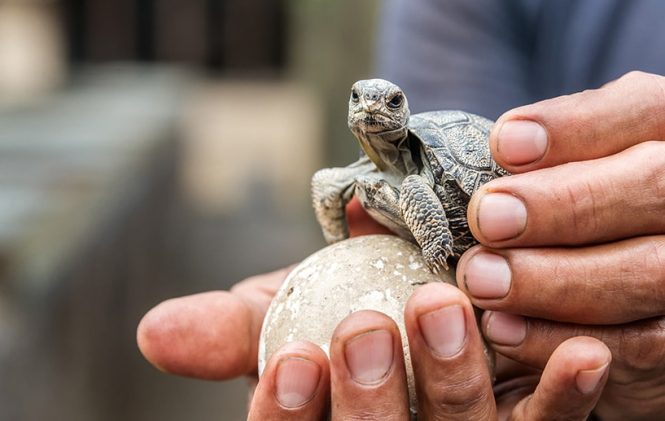
Witnessing the slow, deliberate movements of the Galapagos tortoises is a truly awe-inspiring experience. These ancient creatures have adapted to the unique environments of different islands, developing distinct physical attributes. Observing their intricate behaviors and the remarkable adaptation strategies they possess is an encounter that leaves a lasting impact. For instance, the Espanola Island tortoise has a distinctive saddle-back shell.
Marine Iguanas: Masters of the Coastline
Galapagos marine iguanas are well-adapted to the harsh conditions of the coast. These unique creatures are perfectly equipped to absorb heat from the rocks, facilitating thermoregulation and helping them thrive in their extreme coastal environment. The specializations of this species, such as salt glands for excreting excess salt, provide fascinating insights into evolutionary adaptations.
Related Post : Big Transport In The World
Navigating the Islands: Tours and Activities
Cruise Options: Exploring the Islands from the Sea
Taking a cruise is a popular choice for exploring the islands, allowing you to visit multiple islands within a structured timeframe. Cruises offer a variety of amenities, from onboard accommodation and meals to guided naturalist tours and excursions. Considering the varying landscapes and wildlife concentration across the islands, cruises often provide a convenient and efficient way to experience the diversity of the archipelago. The Galapagos’s unique geographic layout makes the islands very challenging and time consuming to travel by land, hence why cruises are so common.
Hiking and Land-Based Expeditions: Discovering Hidden Gems
Land-based excursions often provide a more intimate connection with the local environment. Hike through volcanic landscapes, discover hidden lagoons, and observe wildlife in their natural habitat from a closer perspective. This experience is often more fulfilling and allows visitors to traverse areas unavailable from a cruise ship. These expeditions often involve trained guides who are deeply familiar with the local ecosystems and can provide insightful commentary.
Sustainable Tourism and Conservation
Embracing Responsible Travel Practices
Responsible tourism is essential for the long-term preservation of the Galapagos Islands and their fragile ecosystem. Adopting environmentally conscious practices is paramount and can involve reducing our carbon footprint by minimizing our environmental impact during travels. This could include walking or cycling whenever feasible, and choosing eco-friendly accommodations. For instance, some tour operators prioritize eco-friendly practices, such as minimizing waste and employing sustainable energy sources.
Supporting Conservation Efforts
Visiting the islands contributes financially to the Galapagos National Park and other conservation efforts. By choosing tours operated by organizations focused on conservation, we can actively support and contribute to the protection and preservation of this unique ecosystem. Supporting and engaging in conservation-focused initiatives fosters a sense of stewardship and dedication to the ongoing preservation of the island’s precious biodiversity.
Galapagos Islands Wildlife: Species and Habitats
Unique Galapagos Animals
The Galapagos Islands are famed for their unique biodiversity. The islands’ unique ecosystems have fostered the evolution of numerous endemic species, such as the Galapagos giant tortoise, marine iguana, blue-footed booby, and flightless cormorant. Each species has adapted to specific ecological niches and exemplifies the principles of natural selection and adaptation.
Diverse Habitats
The islands boast diverse habitats, from arid highlands to lush coastal forests and volcanic landscapes. Each habitat supports its specific array of wildlife, demonstrating the interdependence between species and the environment. Understanding the variations in habitats is crucial to appreciating the intricate web of life within the Galapagos ecosystem.
Frequently Asked Questions
What is the best time to visit the Galapagos Islands?
The best time to visit the Galapagos Islands is generally during the dry season, from June to September. This is the best time to witness the most abundant and colorful wildlife. During these months, you can expect clear skies, warm temperatures, and calm seas. However, remember that the Galapagos’s climate is generally favorable throughout the year; the dry season simply provides optimal conditions.
What is the most affordable way to experience the Galapagos Islands?
Budget-conscious travelers can opt for land-based tours or shorter cruises, and can save some money by staying in hostels or other budget accommodations. Alternatively, consider self-catering options or preparing some of your own meals. While the experience will not be the same as that of a high-end luxury tour, your budget can still be prioritized and optimized.
What are some must-see wildlife encounters?
Several encounters stand out, including the famous giant tortoises, the fascinating marine iguanas, the playful sea lions, and the impressive blue-footed boobies. These creatures are often observed in various locations throughout the islands, providing a spectrum of interactions that can be easily discovered with a little research. Remember that wildlife is best enjoyed in its natural state; do not approach or disturb them in any way.
What precautions should I take when exploring the Galapagos Islands?
Always prioritize respecting the delicate ecosystem and its inhabitants. Refrain from feeding or interacting with wildlife, and minimize your impact on the environment. Be sure to adhere to the specific regulations and guidelines laid out by local authorities. Adhering to these precautions will help protect this amazing place for future generations to experience.
In conclusion, exploring the Galapagos Islands is an unforgettable journey into the heart of unique biodiversity. The islands’ wildlife, from the iconic giant tortoises to the playful sea lions, offers a captivating glimpse into evolution in action. To experience this remarkable ecosystem firsthand, we recommend booking a tour with a reputable operator who prioritizes sustainable tourism practices. Your adventure awaits! Discover the wonders of the Galapagos and its remarkable wildlife today!


