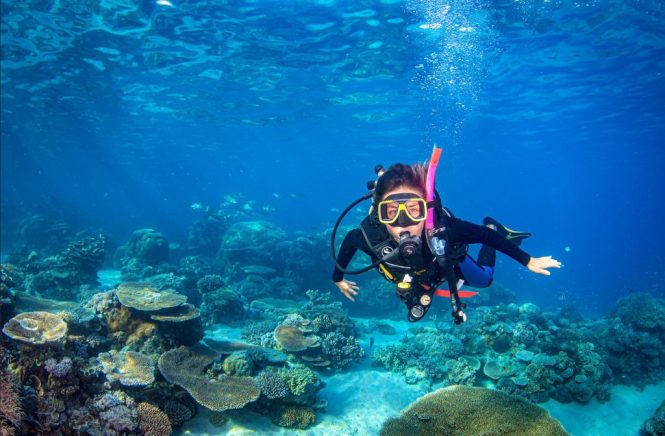
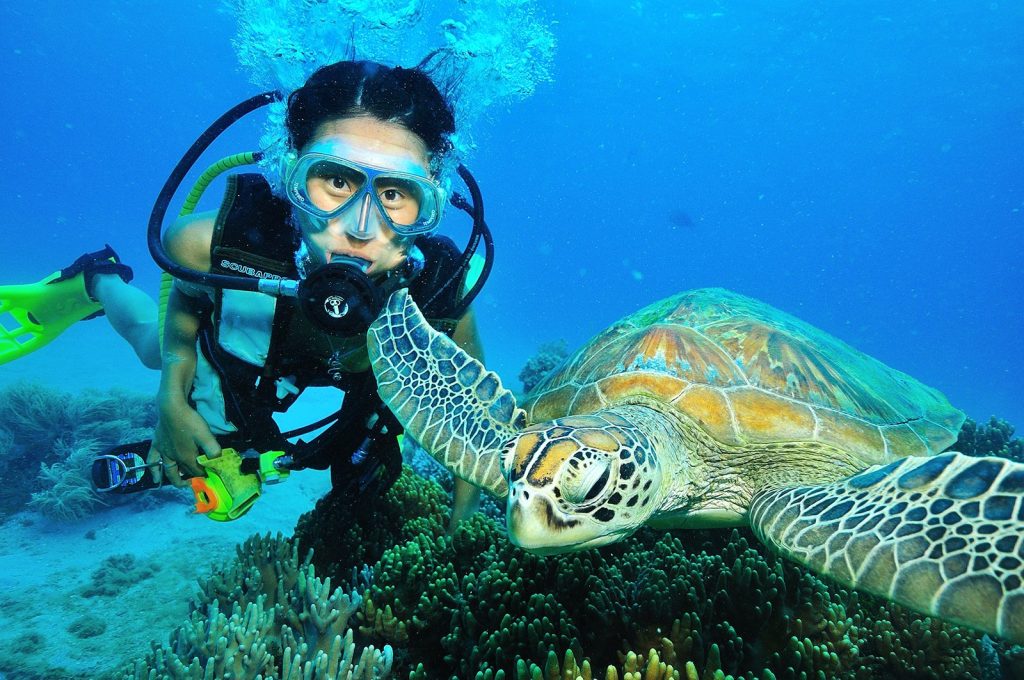
Diving in the Great Barrier Reef is an unforgettable experience that immerses you in a captivating underwater world. From vibrant coral reefs teeming with life to mesmerizing shipwrecks hidden beneath the waves, the Great Barrier Reef promises an adventure for all levels of divers. However, navigating this incredible ecosystem responsibly requires careful planning and adherence to safety protocols. This guide will explore the essential aspects of diving in the Great Barrier Reef, highlighting the incredible marine life, safety precautions, and responsible diving practices. We’ll delve into choosing the best dive operators, ensuring your safety, and respecting this precious marine environment, offering a comprehensive approach to this incredible diving experience. This article will be divided into sections detailing dive planning, safety, respecting the ecosystem, and choosing suitable operators. We’ll also offer insights into maximizing your experience and safety measures. Get ready to dive into an extraordinary journey!
Planning Your Dive Adventure:
Understanding the Diverse Reef Ecosystem
The Great Barrier Reef, a UNESCO World Heritage site, boasts an astonishing array of marine life, coral structures, and diverse ecosystems. Divers can encounter colorful fish, majestic turtles, playful dolphins, and even elusive sharks. The complexity of this ecosystem provides an unparalleled spectacle, with each dive offering a unique glimpse into the underwater world. From vibrant coral gardens to shipwrecks frozen in time, the Great Barrier Reef provides a breathtaking and diverse underwater landscape. This vastness also presents unique challenges for divers, necessitating careful planning to ensure an enjoyable and safe experience.
Choosing the Right Dive Operator
Selecting a reputable and experienced dive operator is crucial. Reputable operators prioritize safety, environmental responsibility, and knowledgeable guides. Operators with a strong commitment to conservation practices often provide valuable insights into the reef’s delicate ecosystems. You can research dive operators through online reviews, customer testimonials, and diving certification standards. Ensure your chosen operator is fully equipped with the necessary safety gear and adheres to stringent safety protocols to give you peace of mind.
Diving Locations and Dive Sites:
The Great Barrier Reef extends over 2,300 kilometers, featuring diverse dive locations each with its unique charm. Some popular dive spots include the outer reef, where you’ll encounter larger pelagic species, and the inner reef, known for its vibrant coral gardens. Knowing the specific conditions and marine life present in your chosen dive locations helps divers plan their dives appropriately. Dive operators usually offer a range of options catering to different skill levels, allowing divers to choose dives tailored to their experiences.
Prioritizing Safety During Your Dive:
Essential Dive Equipment and Preparation
Comprehensive dive equipment, including wetsuits, regulators, buoyancy compensators, and dive computers, is crucial for a safe and enjoyable dive experience. Pre-dive preparation, such as conducting a thorough equipment check and reviewing dive procedures, is essential for ensuring a smooth dive. Dive operators typically provide briefings, emphasizing safety protocols for the dive sites you are planning to explore. Familiarity with basic dive skills and procedures is vital.
Related Post : Big Transport In The World
Recognizing and Preventing Dive-Related Hazards
Recognizing and understanding potential hazards, such as strong currents, marine debris, or encounters with potentially dangerous marine life, is crucial for a safe diving experience. Dive operators should inform divers of any known risks, like marine life behavior patterns and environmental conditions in the area. Divers must demonstrate knowledge and preparedness for these situations. This preparation is fundamental for minimizing risks and maximizing your safety.
Emergency Procedures and Dive Plans
Understanding emergency procedures, including first aid responses and communication protocols, can significantly increase your safety in the event of a mishap. Dive operators often conduct emergency response training, empowering divers with the knowledge and skills to handle emergencies. Having a comprehensive dive plan in place is essential for a smooth and safe dive. These details are vital for both divers and dive operators alike. Proper dive plans and safety protocols ensure an unforgettable dive experience.
Respecting the Reef Ecosystem:
Maintaining Environmental Responsibility
Diving in the Great Barrier Reef necessitates a strong commitment to environmental responsibility. Divers should avoid touching or disturbing coral reefs and marine life. Responsible divers respect the marine environment, avoiding activities that harm delicate ecosystems. Supporting sustainable dive operators and businesses further minimizes the ecological footprint. Divers should be aware of their impact on the reef to maintain its delicate balance.
Sustainable Dive Practices
Sustainable diving practices help preserve the pristine coral reefs. Divers should use eco-friendly dive equipment and follow the directives of dive operators regarding reef conservation. Supporting eco-conscious dive operators ensures a positive impact on the reef ecosystem. Sustainable diving is vital for the long-term preservation of this natural wonder. Taking minimal steps to protect the reefs can dramatically benefit the marine life that depends on them.
Avoiding Pollution and Debris
Avoiding pollution and debris in the water is key to preserving the reef’s health. Divers should diligently dispose of any waste and avoid dropping or scattering debris in the water. Responsible dive operators prioritize minimizing waste and promoting a clean environment. Divers should be prepared and actively involved in maintaining the reef’s pristine condition.
Maximizing Your Dive Experience:
Advanced Dive Techniques
Exploring the Great Barrier Reef with advanced dive techniques allows divers to witness more of the marine world’s wonders. Techniques include underwater photography, specialized dive plans, or exploring deeper reefs. Mastering these techniques can expand a diver’s knowledge and create a more meaningful experience. Dive operators can teach and guide divers with these techniques.
Enhancing Your Underwater Photography Skills
Enhancing your underwater photography skills allows for richer and more meaningful documentation of the Great Barrier Reef. Photographing the diverse marine life, intricate coral formations, and unique environments can contribute to both personal enjoyment and scientific documentation. Learning proper techniques and equipment usage can elevate your underwater photography skills.
Planning for Different Dive Levels and Experiences
Divers of varying skill levels can plan a tailored diving experience. This includes diving with reputable operators who offer appropriate dives for different skill levels. From introductory dives to advanced exploration, the Great Barrier Reef caters to various preferences and abilities. Tailored planning ensures a positive and memorable diving experience for every diver.
FAQ:
Q: What is the best time to dive in the Great Barrier Reef?
A: The best time to dive in the Great Barrier Reef is generally during the dry season, from April to October. During these months, the water is warmer, clearer, and the weather is more favorable, providing optimal diving conditions. It is crucial to consult local dive operators for specific recommendations and weather updates.
Q: What are some essential safety precautions for diving in the Great Barrier Reef?
A: Essential safety precautions for diving in the Great Barrier Reef include thorough pre-dive preparation, checking equipment, reviewing dive procedures, understanding potential hazards, knowing emergency response procedures, following dive operator instructions, and adhering to safety guidelines. Always dive within your capabilities and never dive alone.
Additional Tips for Divers:
Respecting Marine Wildlife
Encountering marine wildlife in their natural habitat should be approached with care and respect. Avoid touching, feeding, or disturbing marine life. Observing their natural behavior is key for understanding their interactions within the marine ecosystem. Staying within designated areas and following guidelines is important.
Environmental Awareness
Actively participate in the ongoing conservation efforts to preserve the Great Barrier Reef. Following sustainable dive practices and minimizing your ecological footprint are key. Reducing your carbon footprint through sustainable travel and staying respectful of marine life can help protect the reef.
Conclusion
Q: What are some essential safety precautions for diving in the Great Barrier Reef?
A: Essential safety precautions for diving in the Great Barrier Reef include thorough pre-dive preparation, checking equipment, reviewing dive procedures, understanding potential hazards, knowing emergency response procedures, following dive operator instructions, and adhering to safety guidelines. Always dive within your capabilities and never dive alone. This is important to keep you safe and make sure that you have an amazing diving experience. Dive operators can often assist with important factors such as weather conditions or underwater visibility. Thorough preparation and adherence to these safety measures are key to having a safe and unforgettable diving experience.
Q: What are some popular diving locations within the Great Barrier Reef?
A: Some popular diving locations within the Great Barrier Reef include the outer reef, known for larger pelagic species and strong currents, and the inner reef, which typically has vibrant coral gardens and abundant marine life. Outer reefs can be great for encountering larger species, while inner reefs provide a more protected environment to observe diverse coral life. Many dive operators specialize in tours to different locations, so it is important to choose an operator who suits your interests. The Great Barrier Reef offers a wide variety of incredible sites.
In conclusion, diving in the Great Barrier Reef offers an unparalleled experience, allowing you to explore the mesmerizing underwater world teeming with vibrant marine life. By choosing a reputable dive operator, adhering to safety guidelines, and respecting the marine environment, you can ensure a truly unforgettable and responsible dive experience. Ready to discover the wonders of the Great Barrier Reef? Book your dive today and prepare to be amazed!


