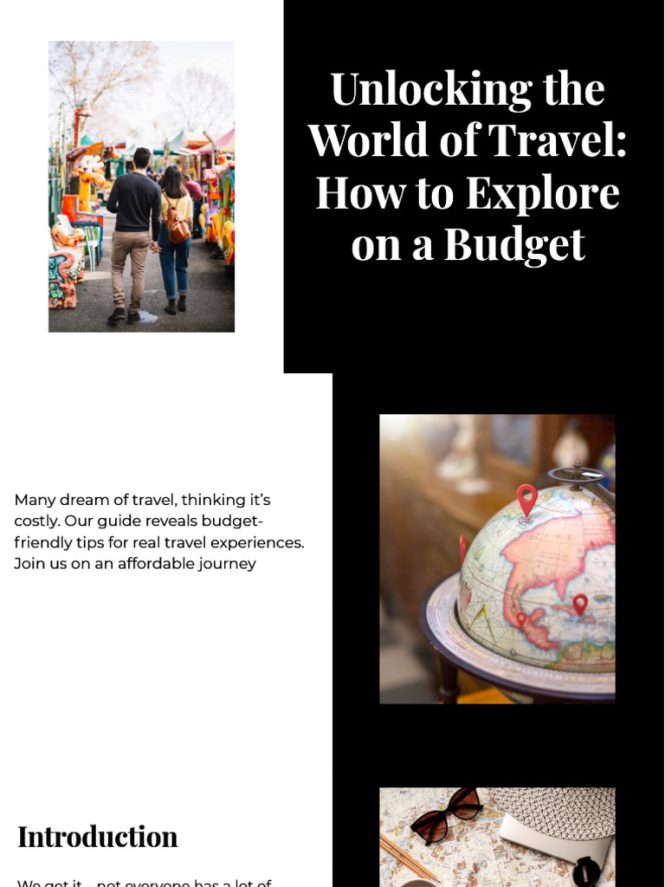
Budget-friendly food tips for travelers are essential for anyone wanting to explore the world without straining their finances. Imagine exploring bustling city markets, savoring authentic regional cuisine, and experiencing diverse culinary traditions all while sticking to a strict budget. This detailed guide unveils 10 actionable strategies to help you enjoy fantastic meals without breaking the bank. It addresses common financial concerns and offers realistic solutions for budget travelers who want to experience great food on any journey. This article covers everything from choosing economical eateries to creating cost-effective meals in your accommodations. Get ready to elevate your culinary adventures while keeping your expenses down—all without sacrificing flavor or experience.
Eating Like a Local: The Art of Budget-Friendly Food Adventures
Embrace the Local Cuisine
Exploring a new destination is about more than just sightseeing; it’s about immersing yourself in the local culture, and food is a key element. Eating like a local is not only budget-friendly but also offers an authentic taste of the destination. Forget the tourist traps and delve into local markets, street food stalls, and family-run restaurants. These establishments often offer incredible flavors at a fraction of the cost of tourist-oriented restaurants. Negotiating prices in markets and trying regional delicacies can be a rewarding experience. You can often find deeply discounted items that would be significantly more expensive if purchased from a tourist-oriented store or vendor.
Unlock the Secrets of Local Markets
Local markets are treasure troves of fresh produce and local delicacies. Bargaining is a common practice in many cultures, and it’s a great way to not only save money but also connect with the vendors and the local community. Don’t be afraid to ask questions about the ingredients, the preparation methods, and the best deals. You’ll be surprised at how much you can save by purchasing directly from the source. This experience can be more interactive and rewarding than purchasing goods from a touristic establishment. Furthermore, you are interacting with the local community and contributing to local economy.
The Allure of Street Food
Street food is an iconic part of many cultures, providing a vibrant taste of a destination’s culinary identity at an affordable price. From savory tacos to spicy curries and fragrant dumplings, you can find a wide variety of street food options practically anywhere in the world. Often, street food vendors offer options that would be significantly more expensive from a touristy or restaurant. It’s a fantastic way to experience local flavors at incredibly reasonable prices. Look for stalls with lots of locals enjoying their food—it’s a good sign that the food is authentic and delicious.
Mastering the Art of Cooking Your Own Meals
Staying in accommodations with kitchen facilities is a fantastic way to save on food costs. Cooking your own meals is an excellent way to control your food budget and experiment with the local ingredients you find in markets or grocery stores. Incorporating local produce and spices into your meals is a rewarding way to experience a destination’s culinary identity. This way you can indulge in fresh, flavorful dishes at your own pace. It’s a great way to control your budget and enjoy the flavors of your chosen location.
Related Post : Travel Guide to Europe: Exploring the Old Continent
Exploring Budget-Friendly Eateries and Restaurants
Often overlooked are budget-friendly restaurants that offer amazing meals. Often, family-run eateries and local favorites offer delicious meals at a fraction of the price of tourist-oriented restaurants. By seeking out places where the locals dine, you can experience an authentic culinary experience. Knowing where locals eat, shop, and enjoy their free time can lead you to the most authentic and affordable experiences while traveling.
Savvy Dining Strategies for Budget-Conscious Travelers
Mastering Meal Timing
Eating at off-peak hours can lead to significant savings. Avoid lunch and dinner rush hours. Look for eateries that offer discounted lunch menus or specials during specific periods. Often, you can find restaurants that offer better deals when you are not a rush.
Breakfast-Focused Approach
Instead of indulging in expensive breakfast options at cafes or restaurants, seek out local cafes or bakeries that cater to local breakfast habits. You can often find delicious and inexpensive options. This can be a particularly economical way to fuel your day. Oftentimes, a local cafe can provide more flavor than a large restaurant breakfast option.
The Allure of Grocery Shopping
Grocery shopping can significantly reduce your dining expenses, especially for longer stays. Stock up on provisions like fruits, vegetables, bread, cheese, and snacks to enjoy in your accommodations. This is particularly useful when you are staying in longer periods of time. Take advantage of local markets and discount grocery stores.
Prioritizing Packaged and Prepared Foods
Packaged and prepared foods can provide convenience and budget-friendly options for travelers. Opt for readily available options in markets that may be significantly cheaper and more flavorful than restaurant food. Many countries have local produce that can enhance meals.
Taking Advantage of Restaurant Deals
Many restaurants offer lunch specials, happy hour deals, or other discounts that can significantly reduce dining costs. Take advantage of these opportunities to enjoy great food without exceeding your budget.
Public Transportation: A Budget-Friendly Travel Companion
Choosing the Best Transportation Options
Public transportation is an excellent budget-friendly travel strategy for exploring destinations. It’s an economical and often convenient way to experience a city or region without overspending on taxis or ride-sharing services. Research local transit systems and choose the most cost-effective option. Utilize these systems for quick and convenient access to multiple regions.
Mapping Your Route and Transportation Cost
Before heading out, carefully plan your routes and estimate the associated transportation costs. This will help you manage your expenses and avoid unnecessary expenditures. It’s important to understand the cost structure to estimate how much you will be spending.
Consider the Value of Walkable Destinations
For locations with walkable attractions, consider walking instead of relying on transportation. This approach will save you money on transport and allow you to experience a more leisurely pace. Walkable attractions are ideal for exploration.
Utilizing Ride-Sharing Services Wisely
Ride-sharing services can be a convenient option for specific needs or longer distances. Consider ride-sharing options when you are traveling longer distances. Utilize ride-sharing for specific needs that may not be feasible with public transportation.
Taking Advantage of Free Activities
Many destinations offer free activities. Take advantage of parks, museums, walking tours, and other free attractions. These activities are often invaluable for maximizing your budget.
Free Activities: Exploring Your Destination on a Dime
Walking Tours and City Explorations
Walking tours provide a cost-effective way to explore cities. Many destinations have free walking tours that offer insights into local history and culture. These tours can offer a rich and unique perspective on a location without the costs associated with guided tours. This is a cost-effective way to explore areas and learn about a new environment.
Exploring Parks and Green Spaces
Most destinations offer free access to parks and green spaces. Relax, unwind, and connect with nature. Many destinations have beautiful park spaces that are easy to access, often costing little to nothing.
Utilizing Museums and Local Cultural Sites
Many museums offer free admission days or discounted rates for specific groups. Check websites and schedules. There are often specific times or days when museums offer discounted rates.
Embracing Local Festivals and Events
Look for local events that are free or offer affordable rates. Many cities and towns have community festivals or events that offer opportunities to experience a destination’s vibrant cultural scene.
Visiting Local Communities
Visit local communities, markets, and neighborhoods to experience a destination’s authentic vibe. Explore the local areas to experience the unique perspective.
Packing Smart for Budget-Friendly Travel
Packing Light and Strategically
Pack only what you need. Avoid overpacking, which leads to extra baggage fees. Keep only necessary items and avoid extra weight. Often, extra costs are incurred from exceeding weight limits.
Reusable Items: A Sustainable Choice
Invest in reusable water bottles, shopping bags, and containers to reduce waste and potentially save money in the process. Often, using these items will save money over purchasing single-use products, and will reduce environmental impact.
Consider Your Accommodation Options
Consider staying in budget-friendly accommodations. Hostel options or homestays are often a cost-effective alternative to hotels. These offer a variety of amenities to increase your budget-friendliness.
Plan Ahead: Pre-Book Your Flights
Planning your trips in advance can offer significant savings on flights and accommodations. Planning ahead can sometimes lead to lower costs.
Utilize Apps and Websites for Discounts
Explore apps and websites for discounts, coupons, and deals. Research apps and websites for discounts and deals.
Maximizing Your Savings on Budget Travel
Finding Budget-Friendly Activities
Incorporate free activities into your itinerary. Many destinations offer free activities, such as visiting parks, exploring local neighborhoods, taking walking tours, or engaging in community festivals. These opportunities offer a deeper and more authentic cultural experience.
Embracing the Flexibility of Your Itinerary
Flexibility is key to staying on budget. Be prepared to adjust your plans based on opportunities that arise or deals you find. Be flexible to optimize your budget.
Tracking Your Expenses
Keep a record of your expenses. This will help you monitor your budget and identify areas where you can cut costs. Tracking expenses allows for planning and adaptation.
Utilizing Discount Cards and Coupons
Many destinations offer discount cards or coupons for attractions and restaurants. Utilize these cards for discounts.
Seeking Out Hidden Gems and Local Experiences
Look for less-touristy attractions and activities. Often these hidden gems offer a unique insight into a destination’s culture. This is often where local gems are hidden.
FAQ
What are the most important budget-friendly food tips for travelers?
One key budget-friendly food tip is to eat like a local. Look for local markets, street food vendors, and family-run eateries, which often offer delicious meals at much lower prices compared to tourist traps. Another important tip is cooking your own meals. Staying in accommodations with kitchen facilities allows you to prepare meals using locally sourced ingredients, often a significant cost-saver. This saves you money and gives you the experience of local cuisine.
How can I save money on transportation while traveling?
Utilize public transportation whenever possible. Research local transit systems, and plan your routes to estimate transportation costs. Consider walking for shorter distances when possible to reduce transportation expenses and immerse yourself in the environment. It’s often the best way to save money and experience local culture.
In conclusion, embracing budget-friendly travel strategies empowers you to explore the world without breaking the bank. By focusing on savvy choices like cooking your own meals, utilizing public transportation, and seeking free activities, you can create unforgettable travel experiences that align with your financial goals. Remember to plan ahead, be resourceful, and embrace the journey! So, pack your bags, unlock your inner budget traveler, and embark on an extraordinary adventure that won’t strain your wallet. Happy travels!


