
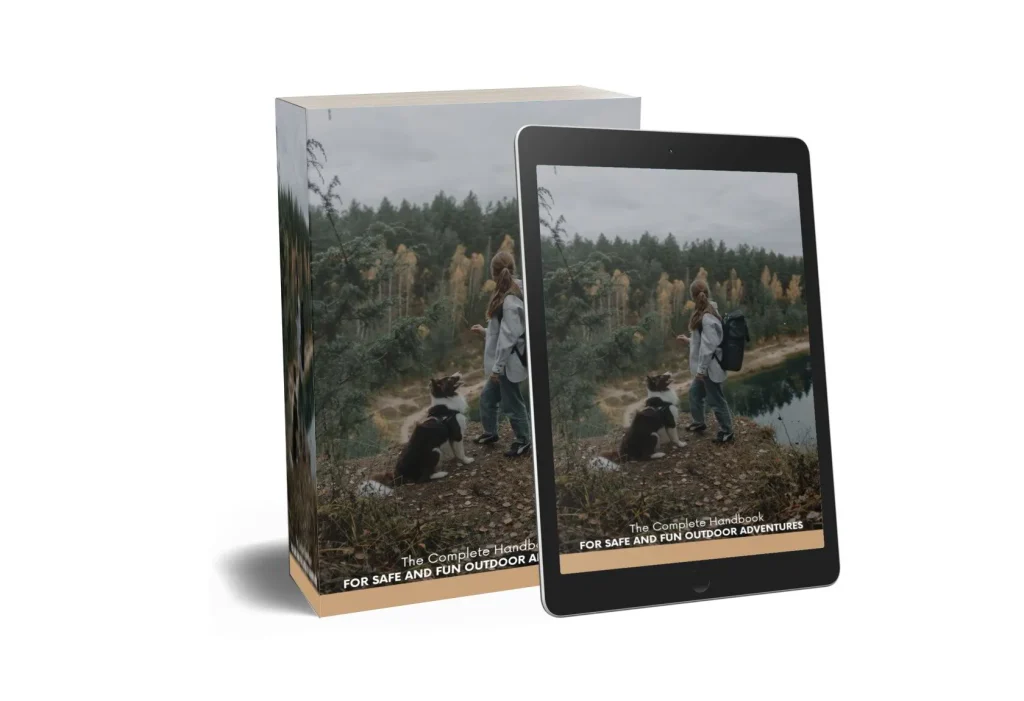
A Solo Traveler’s Handbook is a comprehensive guide for navigating the exciting world of independent travel. Picture this: you’re on a solo trip, exploring bustling markets, hiking through breathtaking landscapes, and immersing yourself in local cultures. It’s an exhilarating journey full of self-discovery and personal growth, but how do you ensure both safety and enjoyment? This guide answers this crucial question. This handbook offers practical advice and insights for planning safe and unforgettable solo trips. It covers everything from essential safety precautions to cultural sensitivity, providing a step-by-step approach for smooth and pleasurable adventures. This handbook will empower you to make informed choices, manage risks effectively, and to truly embrace the wonder of solo travel.
Essential Safety Precautions for Solo Travelers
Understanding Your Surroundings
Before you embark on your solo adventure, research the destination thoroughly. Knowing local customs, laws, and potential safety concerns is critical. Familiarize yourself with emergency numbers, local authorities, and potential dangers like petty theft, scams, or areas prone to crime. Create a detailed itinerary, sharing it with trusted contacts back home. This way, they have a record of your whereabouts and can easily contact you in case of emergency. Furthermore, maintain a safety journal, documenting your daily activities, accommodation details, and important contacts.
Staying Alert and Aware
Related Post : Travel Guidelines Liquids
Staying aware of your surroundings is crucial. Avoid walking alone at night, especially in unfamiliar areas. Utilize well-lit and populated streets. If possible, inform someone of your route, anticipated arrival times, and planned itinerary. Use reputable transportation services, avoid secluded areas, and choose accommodations in safe, well-lit locations.
Managing Finances Wisely
Financial management is crucial. Avoid displaying expensive jewelry or electronic devices. Keep only a small amount of cash on hand at all times, and use reliable ATMs. Carry backup payment methods like credit cards or mobile payment apps. Be wary of unsolicited offers or deals. Always be critical and ask questions. Do not assume things until you have confirmed the source.
Utilizing Technology Effectively
Technology can be a powerful tool for safety. Consider purchasing a personal tracking device or sharing your location with trusted contacts through a trusted app. Download local emergency numbers and helpful apps to your mobile phone to quickly get important information when needed. Utilize GPS navigation tools to find your way around in unfamiliar territory.
Building Local Connections
Building connections with locals is a great way to enhance your experience and safety. Participate in local activities or events to meet fellow travelers or locals. Engaging with the community can broaden your horizons and make your experience more enjoyable and safer. This could involve getting help from local guides, or attending tours. Try to avoid being overly reliant on social media groups for all your information.
Respecting Local Cultures
Cultural Nuances
Embarking on a solo journey to a new country necessitates an understanding of local cultural norms. Respecting local customs is essential for a positive interaction, and can ensure a safe and enjoyable experience. Learn the basic greetings, phrases, and etiquette. Avoid behaviors that might be considered disrespectful or offensive by researching the local norms and customs. Some examples include not touching someone without their consent, dressing appropriately, and knowing when to remove your shoes.
Dress Codes
In certain cultures, attire plays a significant role in social interactions. Research the local dress codes, especially for religious sites or traditional events. Adhering to these cultural norms fosters respect and a smooth journey. This can range from covering your shoulders or knees to wearing certain types of clothing in some countries.
Social Etiquette
Familiarize yourself with the local social etiquette. Understanding and respecting social cues and behaviors can minimize misunderstandings and maximize your interactions. This can include greetings and greetings, gift-giving customs, and how to engage in conversations in a way that respects local customs.
Communication Strategies
If possible, learn a few basic phrases in the local language. Even simple phrases like “hello” and “thank you” can go a long way in showing respect and building connections. Utilize translation apps as a backup to communicate and bridge language barriers. Remember to listen actively and try to understand the nuances of communication to minimize misunderstandings. Also, respect people’s personal space.
Food Safety
Food safety is particularly important when traveling to new places, especially when you’re unfamiliar with local cuisine. Be selective and choose reputable restaurants or street food vendors with clean premises. Avoid potentially risky foods like uncooked or undercooked meat, or questionable beverages. Be aware of any food allergies and carry any necessary medication for safety.
Maximizing Your Solo Travel Experiences
Planning Your Journey
Before departing, carefully plan your solo travel itinerary. Research potential destinations, select accommodations, and book transportation. Be sure to prioritize your safety while being adventurous. Create a backup plan to be prepared for unexpected circumstances.
Budgeting Your Trip
Effective budgeting is crucial. Create a comprehensive budget outlining your estimated expenses for flights, accommodation, food, transportation, and activities. Factor in unexpected expenses, and try to save extra for emergencies. This helps you feel confident that your money will be able to keep up with the travel.
Navigating Public Transportation
Utilize local transportation options like buses or trains to navigate the destination. Learn the routes, schedules, and ticketing procedures. Ensure the safety of these transport options by looking into past reviews or talking to locals before using them. This information can reduce the risk of getting lost or stranded.
Exploring Local Culture
Engage actively with local culture. Take part in local events, visit cultural sites, and have conversations with locals to enhance your understanding of the community. This will help you build stronger connections and learn about the community’s unique perspectives and experiences. Embrace the unique beauty of the area and engage with the local culture in a responsible way.
Embracing the Unexpected
Be open to unexpected adventures and detours. Solo travel allows for flexibility and spontaneity. Embrace the unexpected encounters and experiences that come your way. Try new things, meet new people, and open your mind to the experiences to come. This approach helps you adapt to new situations and make the most of your travels.
Packing Essentials for a Solo Trip
Necessary Documents
Ensure that you carry all necessary travel documents, including your passport, visa, tickets, and insurance information. Keep copies of important documents in a separate place to mitigate the risk of losing them. Maintain copies of crucial documents like vaccination records or other health information for your trip. Be sure to know the necessary documents or paperwork in advance.
Packing Light
Packing light is crucial for solo travel. Minimize the weight of your luggage to ease movement. Choose versatile clothing items that can be mixed and matched for various occasions. This strategy can prevent excess baggage and ensure a smooth trip. Select items that are adaptable to your travel needs and fit into a reasonable amount of luggage.
Essential Gadgets
Carry your smartphone, power bank, and a portable charger to ensure you’re able to stay connected. If you need a laptop or similar items, consider the weight factor. Make sure they are securely packed. Include a basic first-aid kit to handle minor injuries or health issues. Include any necessary medications or personal health items.
Financial Resources
Bring cash, debit or credit cards, and an emergency fund to cover potential unexpected expenses. Ensure that all your financial accounts are easily accessible for use while you’re on your trip.
Personal Safety Items
Carry a personal safety alarm, pepper spray, or other safety equipment as needed. Know how to use them properly in case of an emergency. Check that your equipment is working well and functional before using them.
Staying Connected While Traveling
Communicating with Others
Keep in contact with friends and family while traveling. Let them know your itinerary, accommodation details, and expected return date. Schedule regular check-ins to ensure they know that you are safe.
Using Social Media
Use social media platforms cautiously. Share limited information to avoid revealing sensitive details or posing security risks. Be mindful of what you post to maintain your privacy and security. Post with discretion, sharing only what you want to share with your network.
Staying Informed
Remain informed about any travel advisories, safety alerts, or important updates regarding the destination. Stay informed about potential dangers such as natural disasters, political unrest, or security issues. Follow official advisories or news articles for updates.
Utilizing Local Resources
Seek assistance from local authorities, tour guides, or hotel staff. These individuals can provide valuable information and support in case of emergencies. Always ask for advice and support from local individuals.
Finding Support Groups
Join online or offline solo travel communities. Connecting with other solo travelers can foster camaraderie and shared experiences. Find or create support groups that you can share ideas or concerns with. Seek out experiences to share and connect with like-minded travelers or people.
Frequently Asked Questions
What are the top safety tips for solo female travelers?
Traveling alone as a woman comes with unique considerations. Prioritize safe accommodations and transportation, and share your itinerary with trusted contacts. Stay aware of your surroundings and avoid walking alone at night. Consider carrying a personal safety alarm or pepper spray for added security. Join online or offline communities of women solo travelers to connect with other women who understand the unique challenges and experiences. Trust your instincts and feel empowered to make choices that prioritize your safety and security. Always research potential destinations thoroughly before traveling.
How can I make sure my solo trip is budget-friendly?
Budgeting for a solo trip requires careful planning. Research affordable accommodation options like hostels or guesthouses, and utilize public transportation whenever possible. Cook some meals yourself, explore free activities, and look for discounts or deals on tours or attractions. Prioritize experiences that are free or inexpensive; this way you will have more money for other activities that are more expensive.
In conclusion, a Solo Traveler’s Handbook offers a valuable resource for safe and enjoyable adventures. By understanding cultural norms, prioritizing safety measures, and embracing the unexpected, solo travelers can create remarkable experiences. This guide provides a framework for planning and executing these journeys. Download the complete guide today to start planning your unforgettable solo trips! Ready to embark on your next solo adventure?


